Category: methods of research
-
week 3
In week 2 I had begun to discover the topic of absence vs. presence. I had looked for absent parts and forced them into presence by sketching them in macro detail. For week 3 I wanted to deepen my investigation into sketching absence vs. presence and how this could look like.
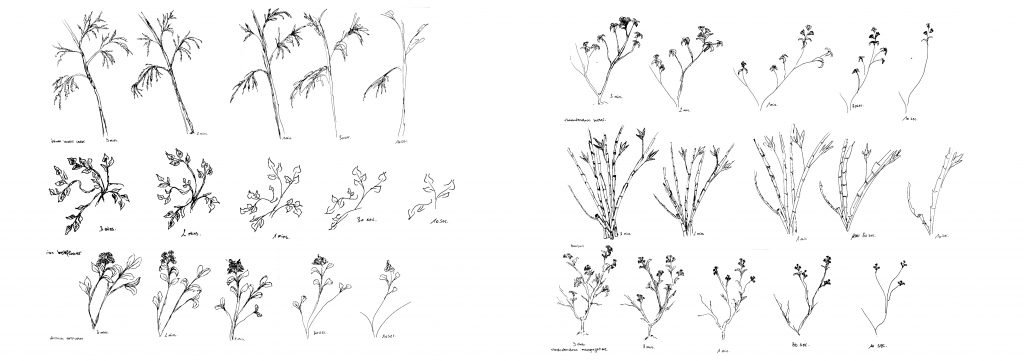
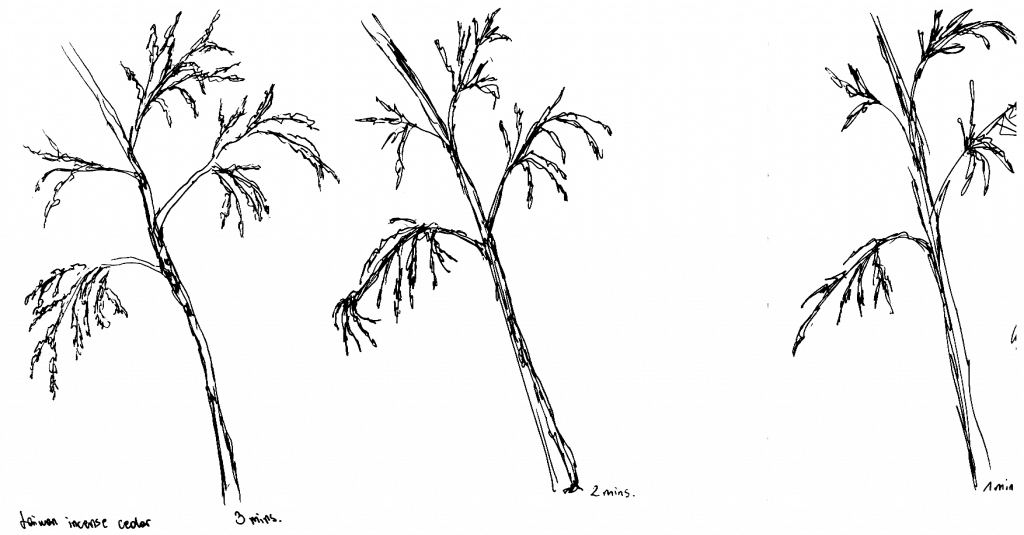
timed sketching
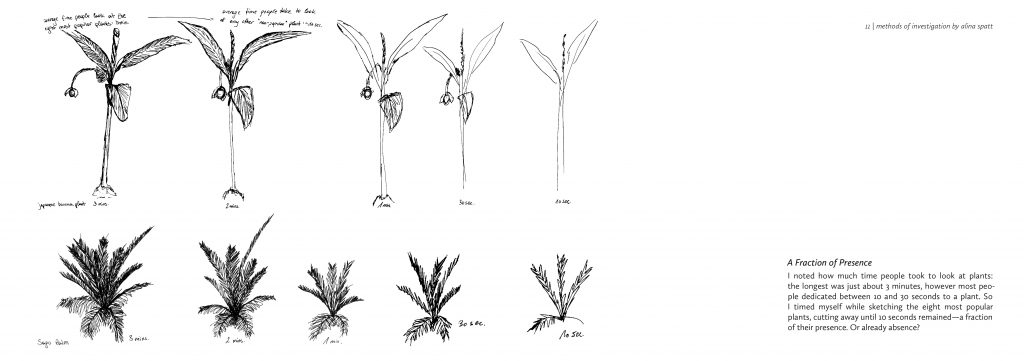
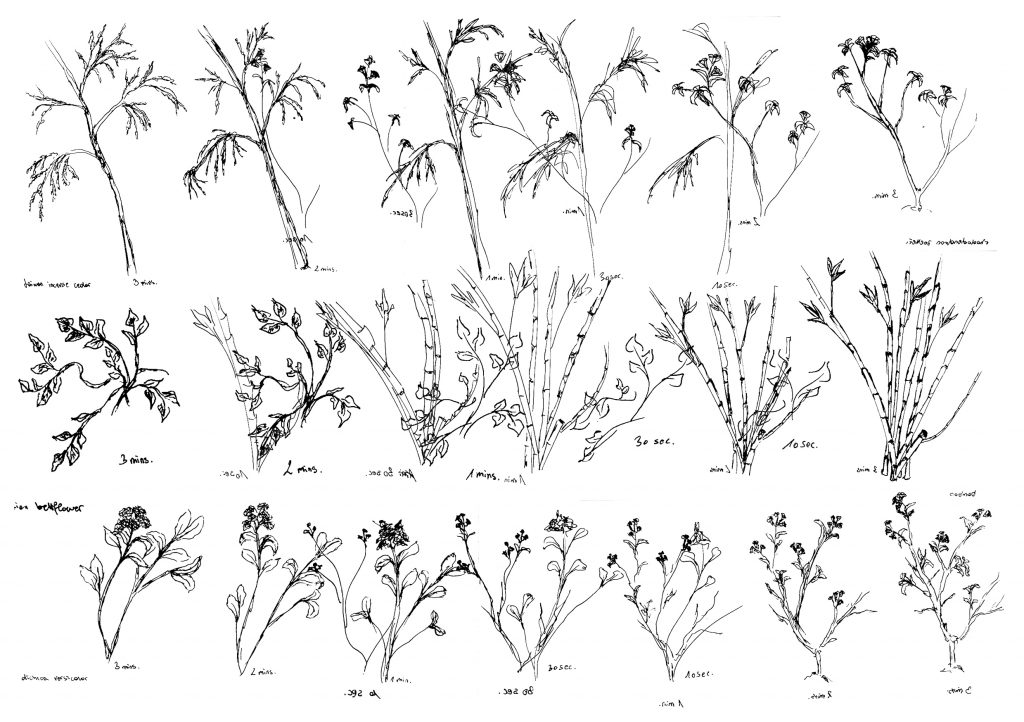
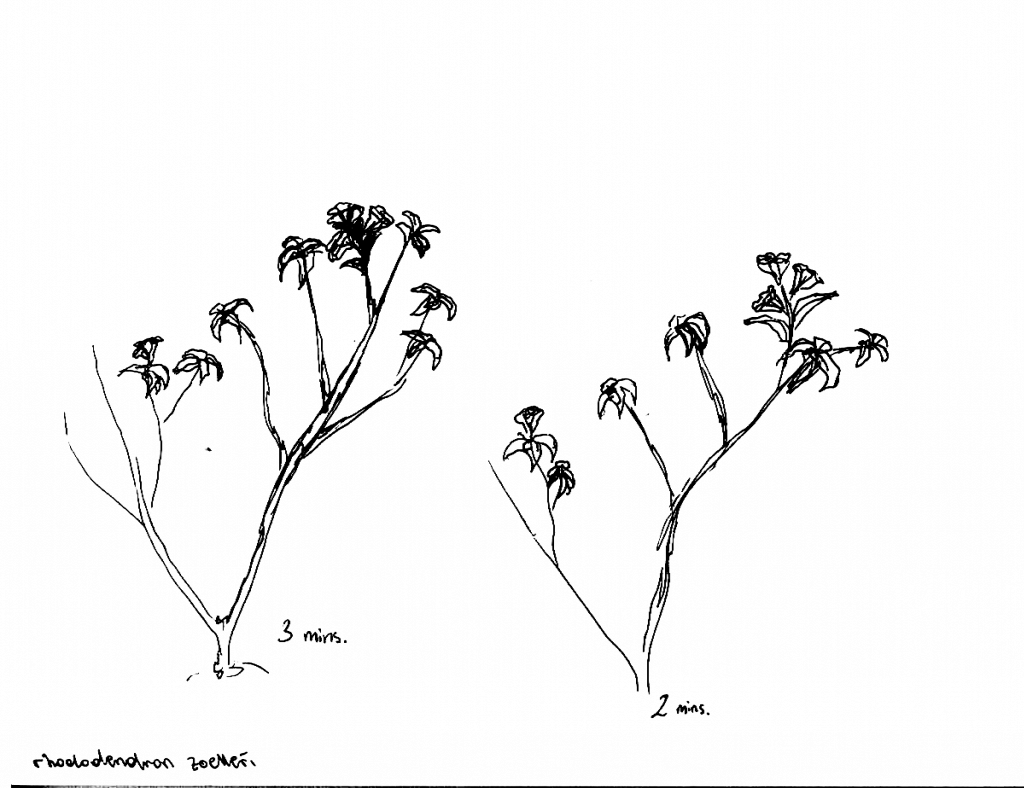
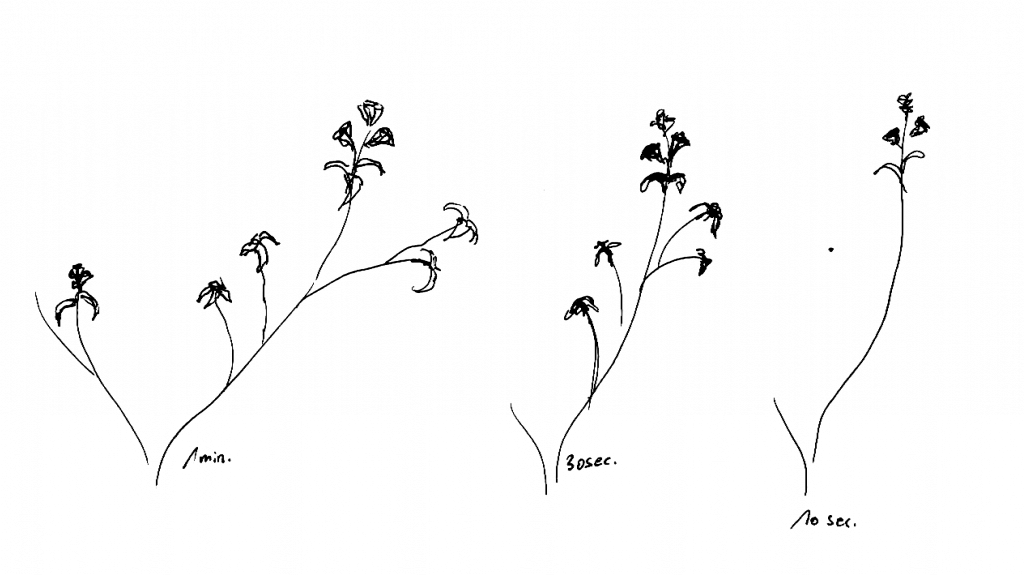
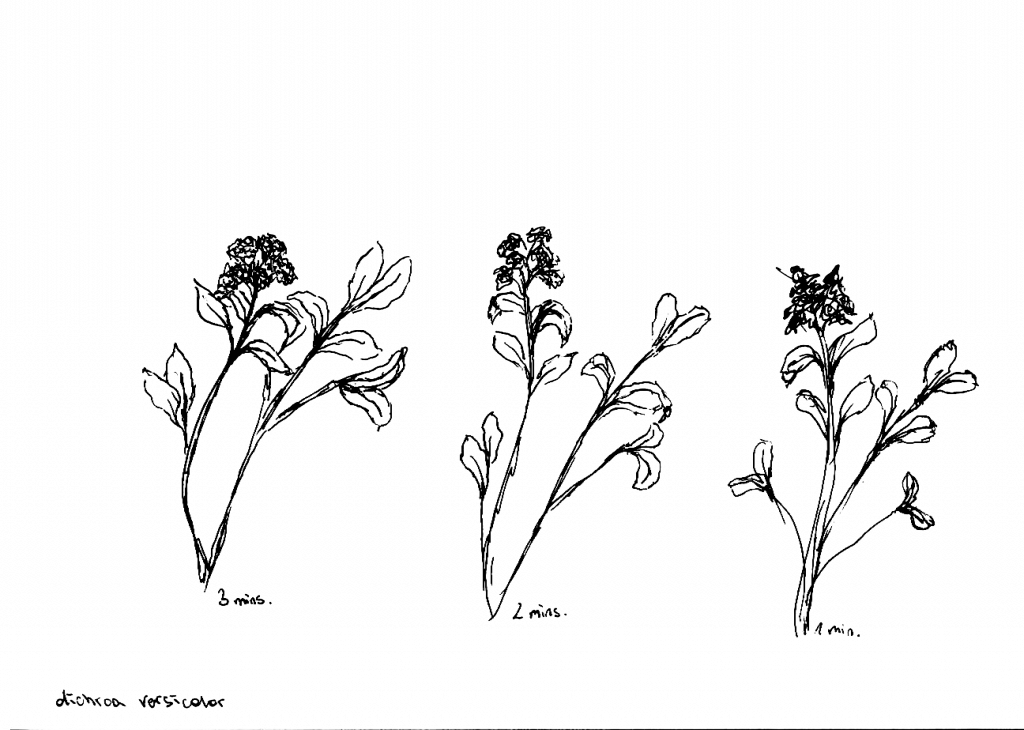
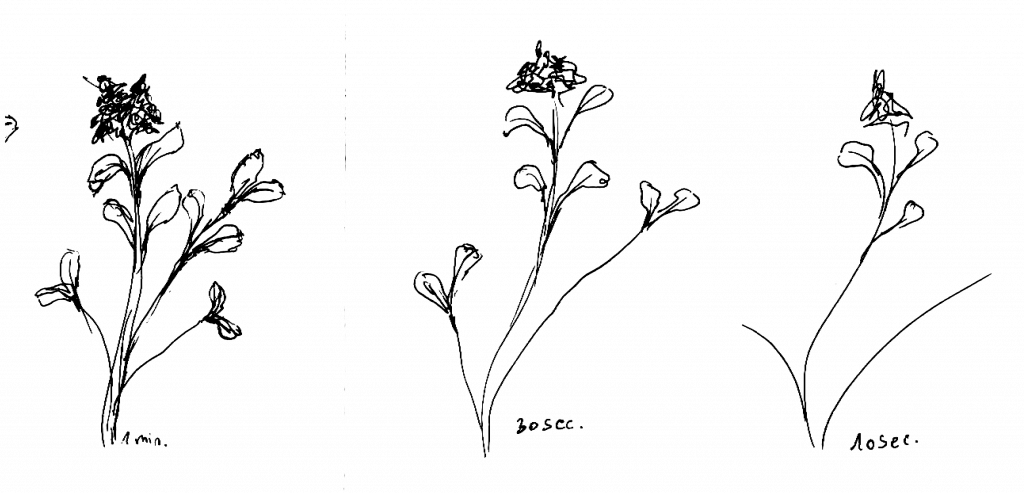
I sat back down and noted the time people took to look at plants. The longest was just about 3 minutes, but most plants received about 10-30 seconds of attention. I wondered how much presence could be recorded within these different time spans. When does presence turn into absence?


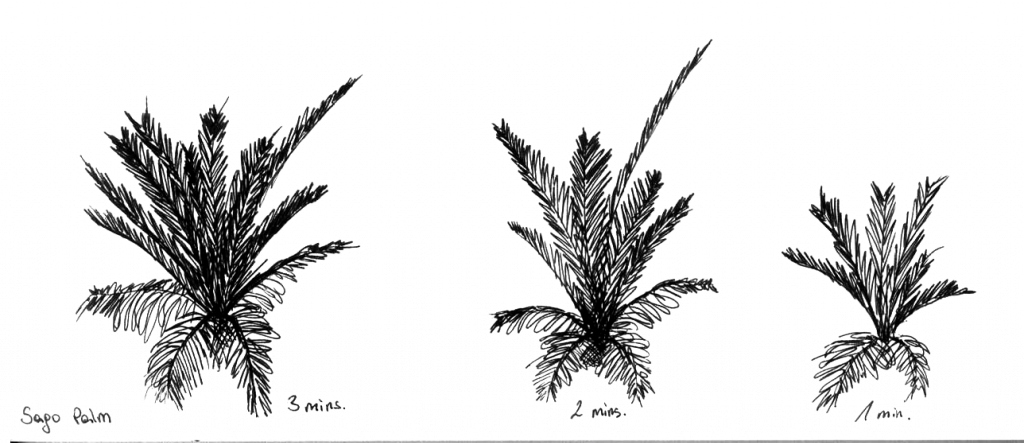
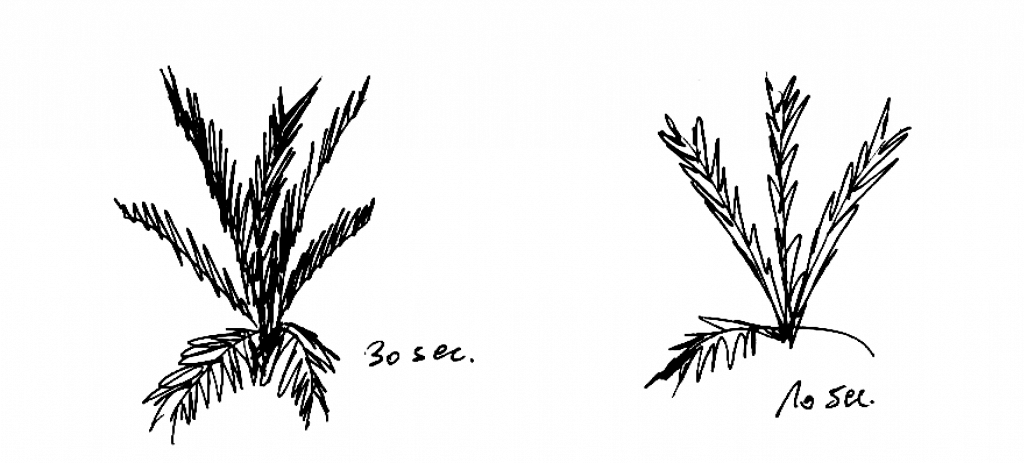
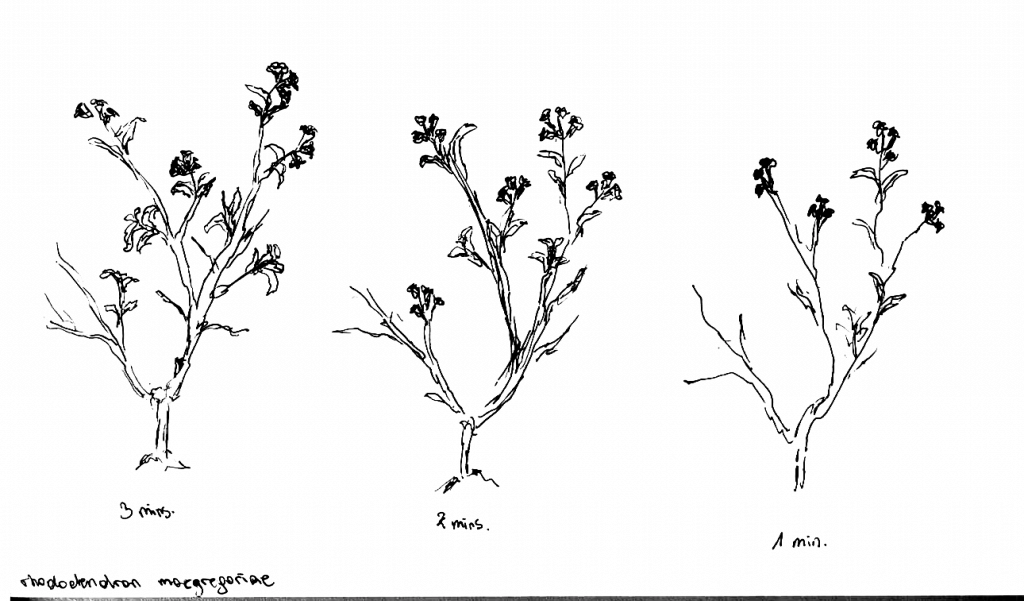
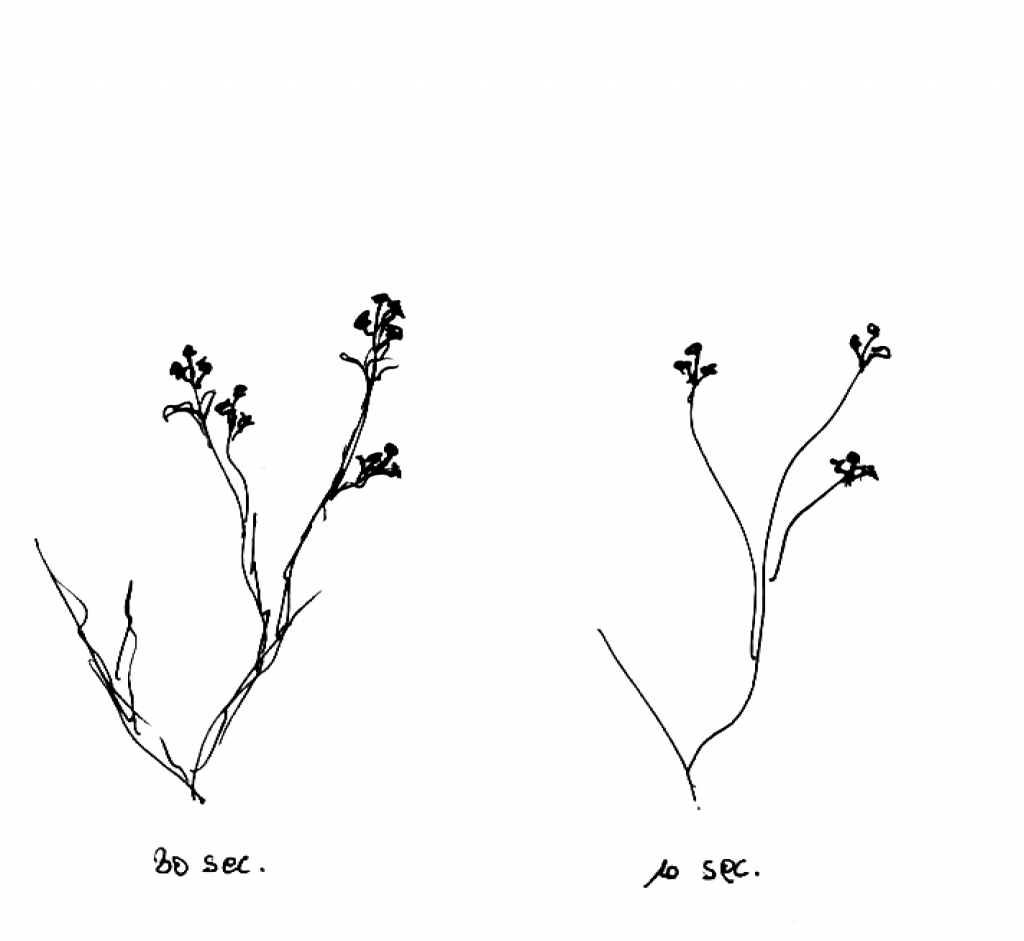
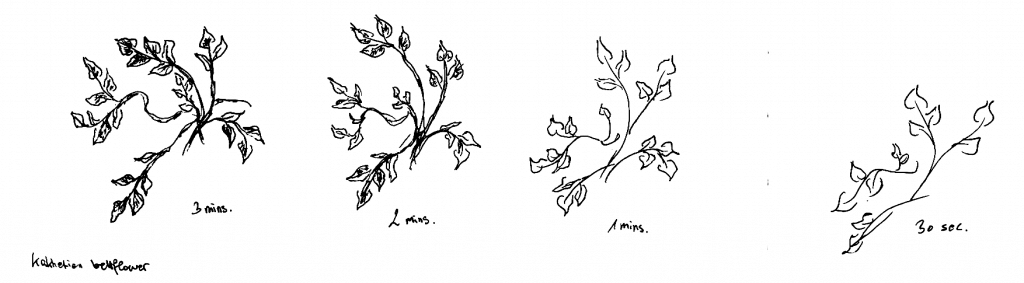
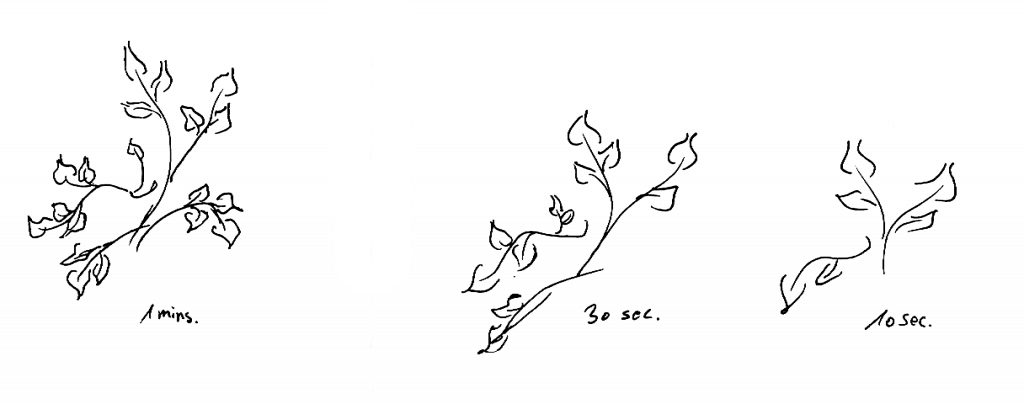
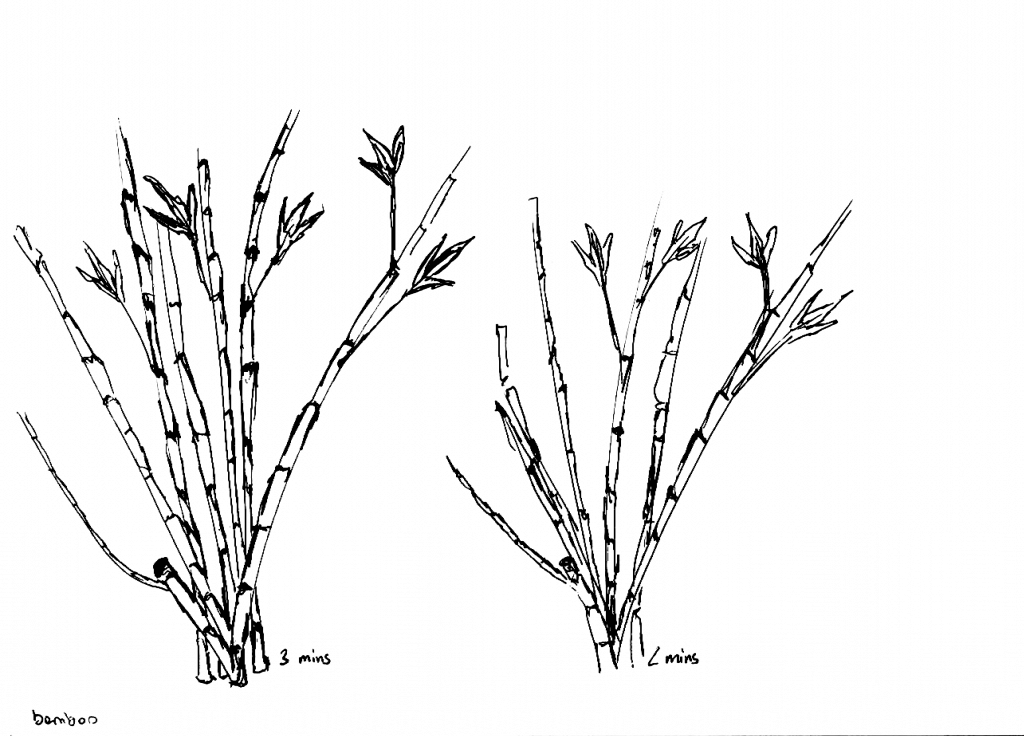
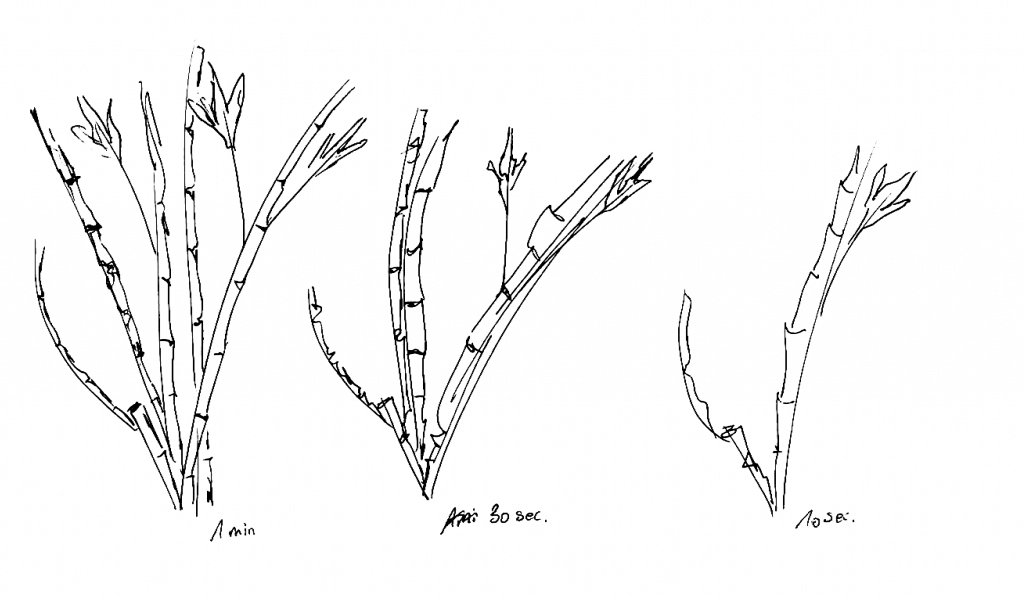

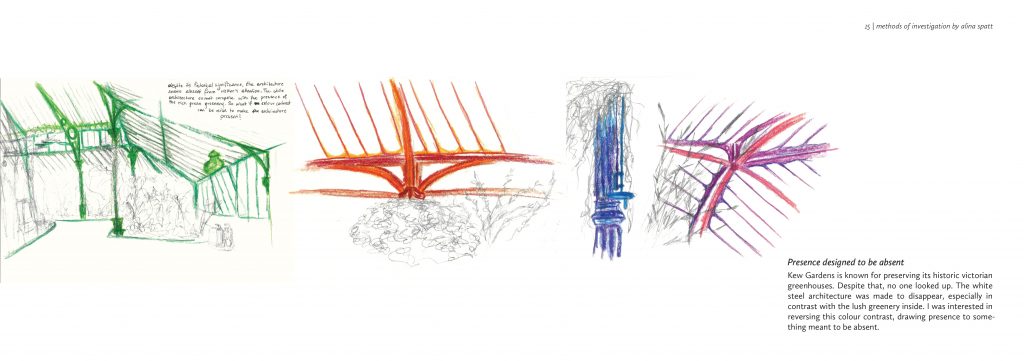
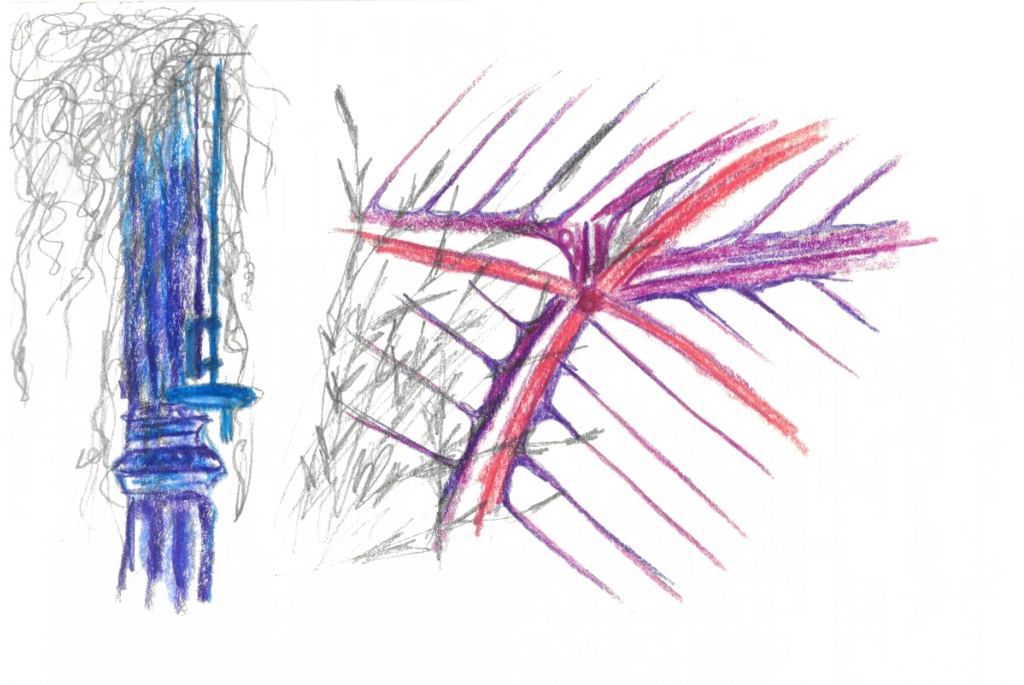
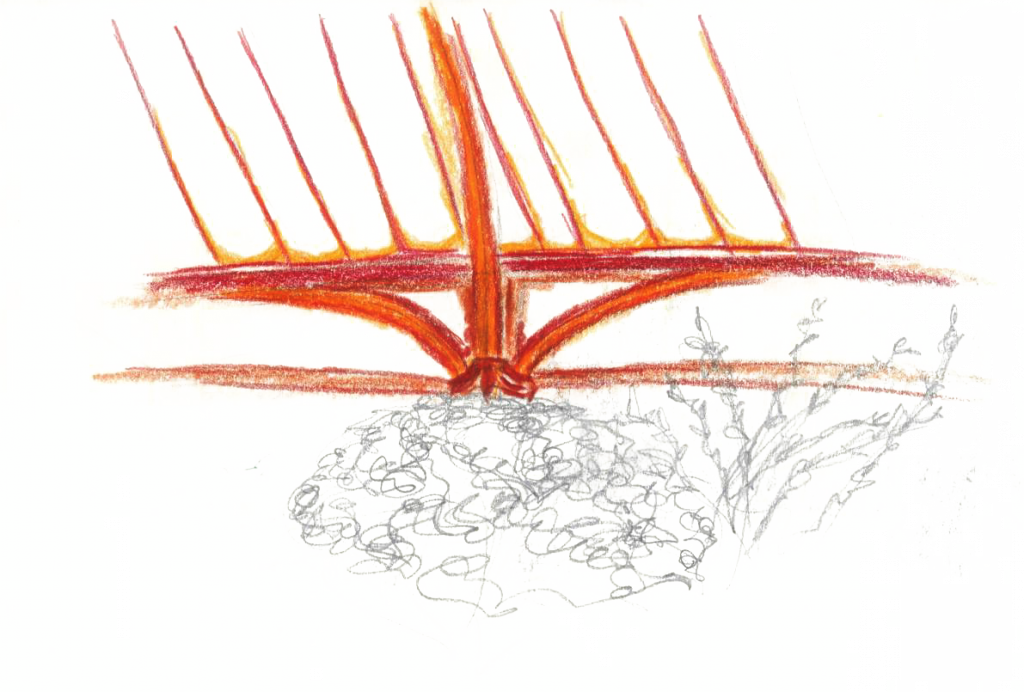
architecture designed to be absent?
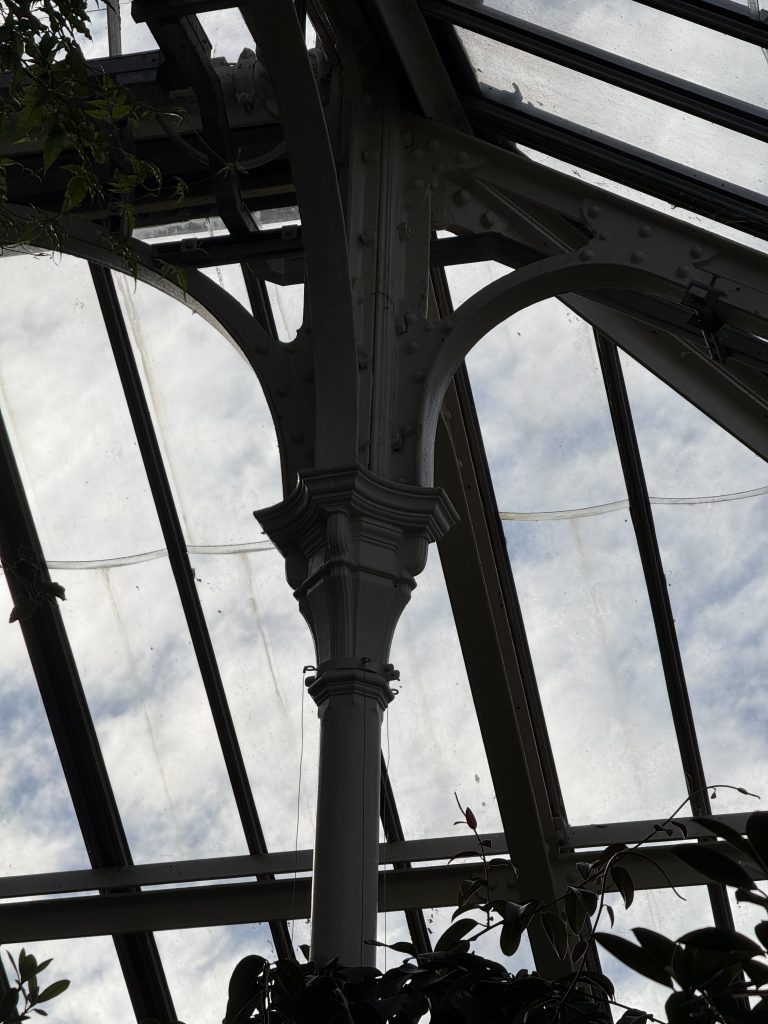
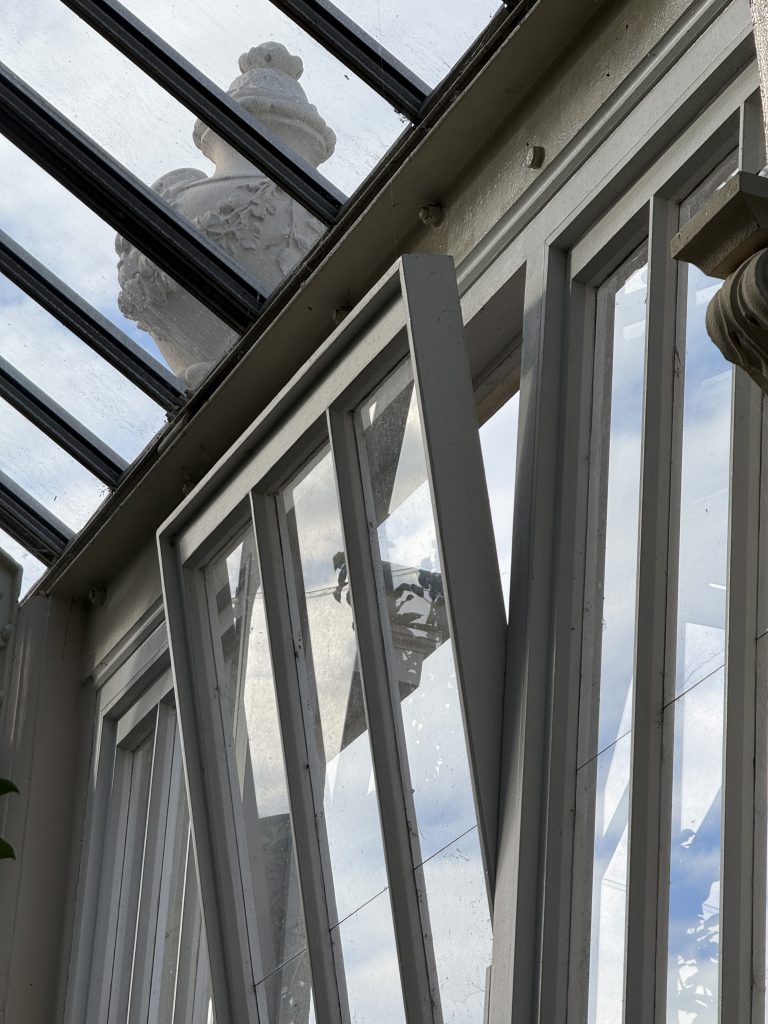
When I discovered that no one looked up at the architecture, even though Kew Gardens is known for its historic victorian greenhouses, I discovered that colour contrast can be a way to make something intentionally absent. The white architecture blended perfectly into the background, the focus being drawn towards the lush greenery inside. I decided to play around with that and reverse it.

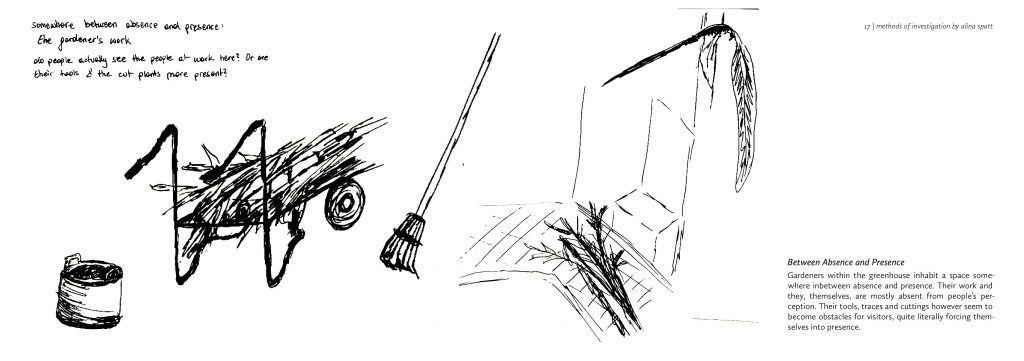
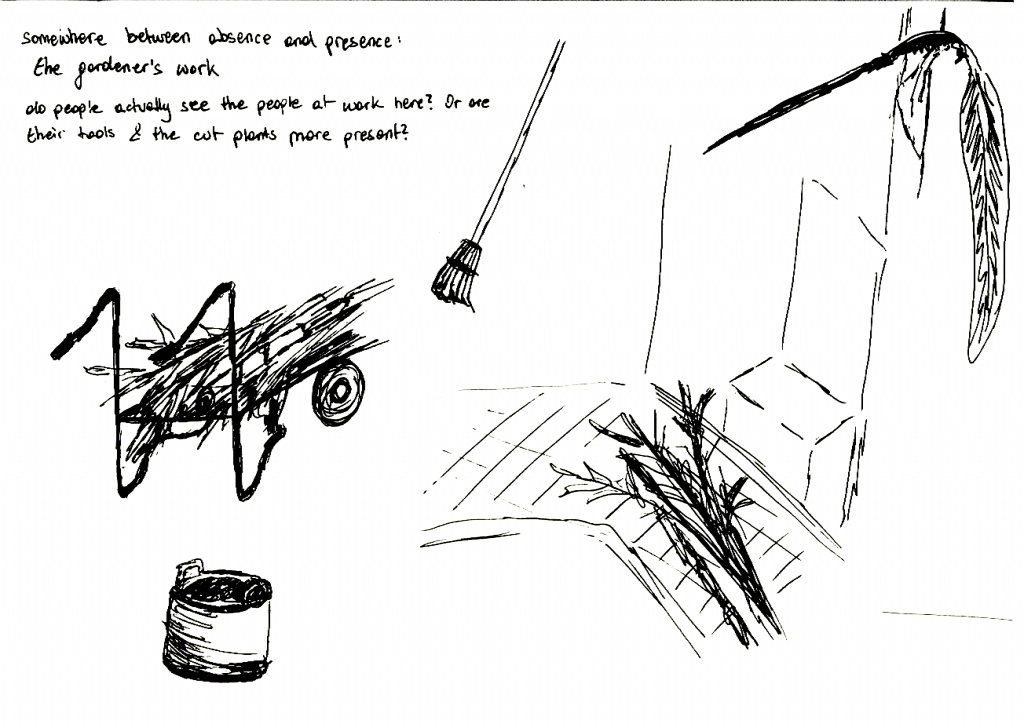
inbetween absence and presence: the gardeners
I noticed that the gardeners working in the greenhouse are usually absent from people’s perceptions. The are not spoken to, not looked at. But their tools force themselves into people’s perception, they become obstacles. The traces and cuttings spread on the floor, the wheelbarrow blocking the way, the bucket narrowing the walkway. This seemed to be an interesting space somewhere between absence and presence.
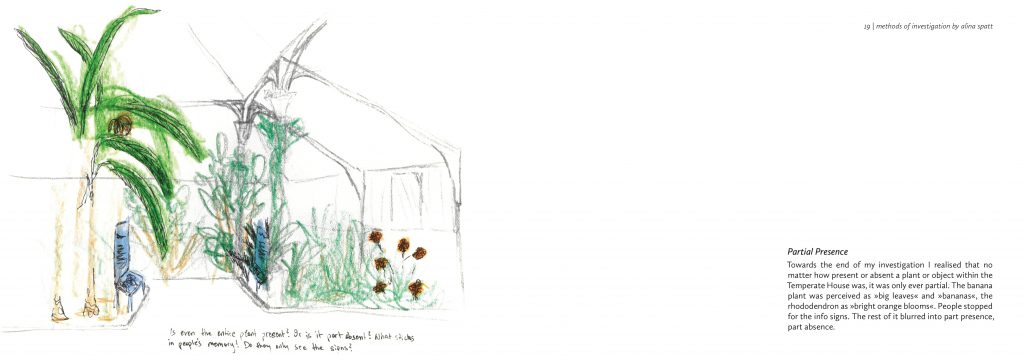
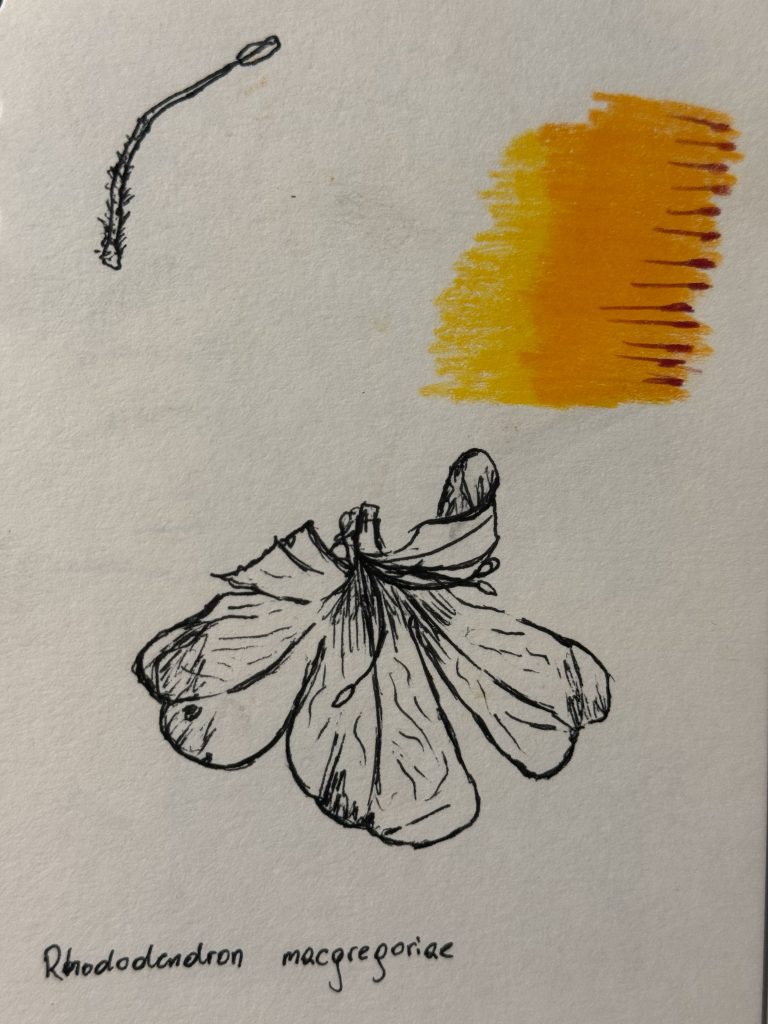
Towards the end of my investigation I realised that no matter how present or absent a plant or object within the Temperate House was, it was only ever partial. The banana plant was perceived as »big leaves« and »bananas«, the rhododendron as »bright orange blooms«. People stopped for the info signs. The rest of it blurred into part presence, part absence.

can we even record full absence?
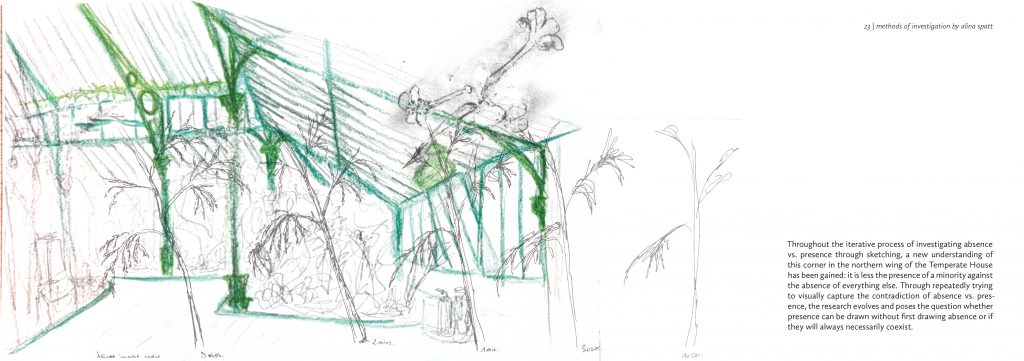
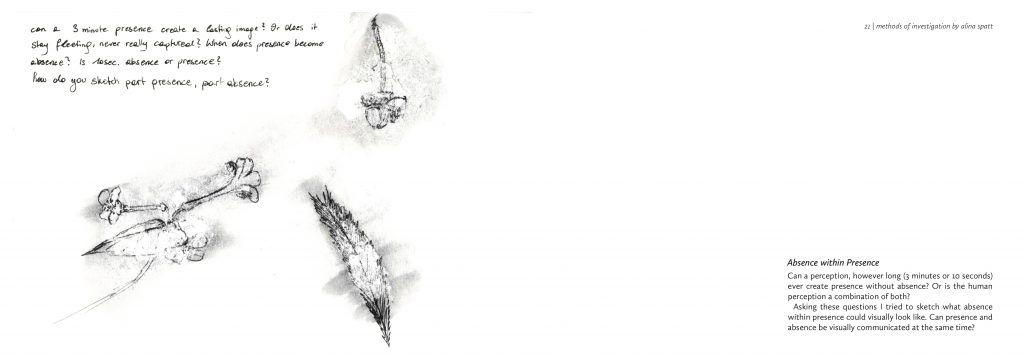
Can a perception, however long (3 minutes or 10 seconds) ever create presence without absence? Or is the human perception a combination of both?
Asking these questions I tried to sketch what absence within presence could visually look like. Can presence and absence be visually communicated at the same time?

-
week 2
In week 2 I decided to continue with sketching as my method of investigation. I went back to Kew Gardens to and tried to change my perspective. In week 1 I focused on what I, myself, could see. This week, I wanted to switch to the perspective of others.
Can my perception change, if I try to see what others see?
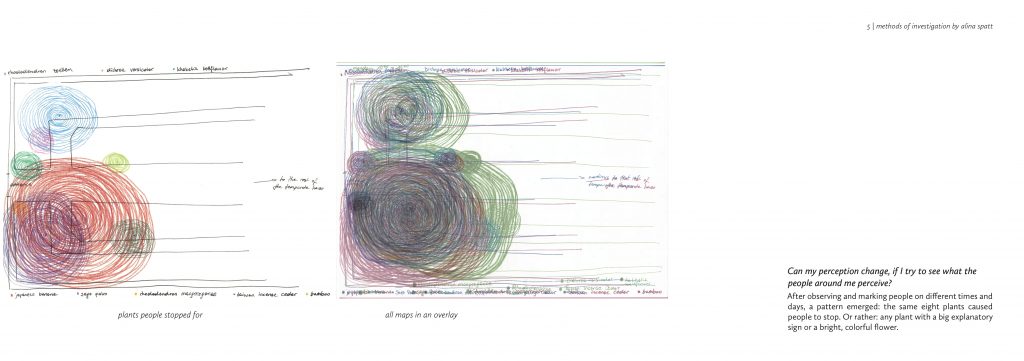
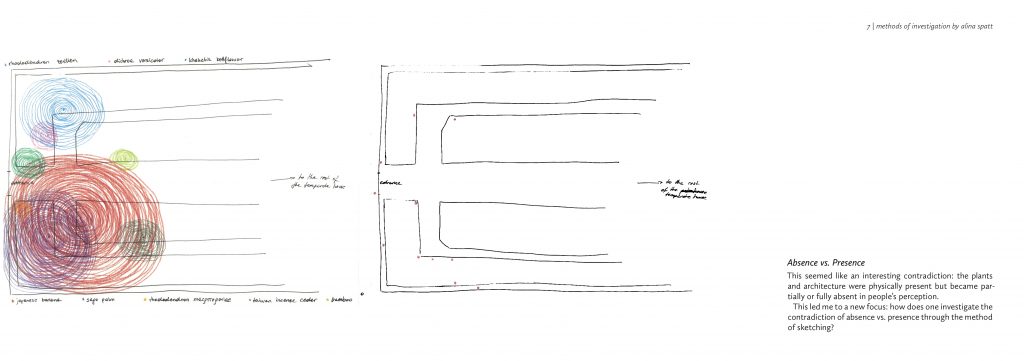
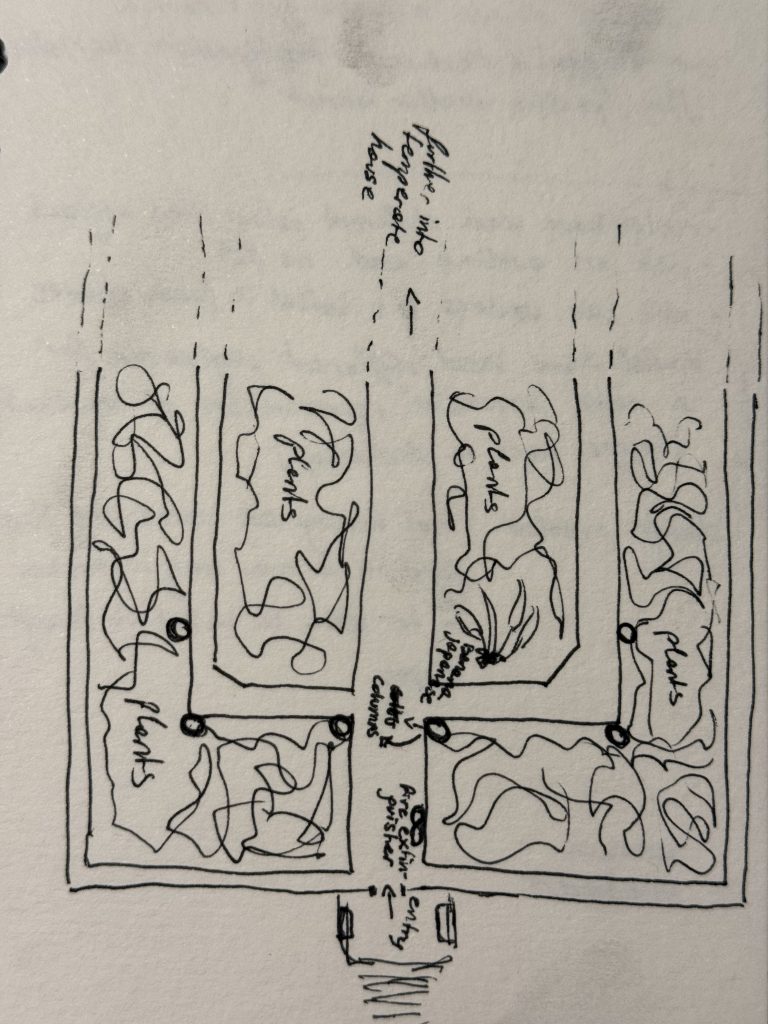
I sat down and mapped other people’s perception: every plant they stopped at was marked by a dot on the map, whenever another person would stop at it, a circle was added. Multiple maps during different times of the day showed a certain pattern of eight favourite plants.

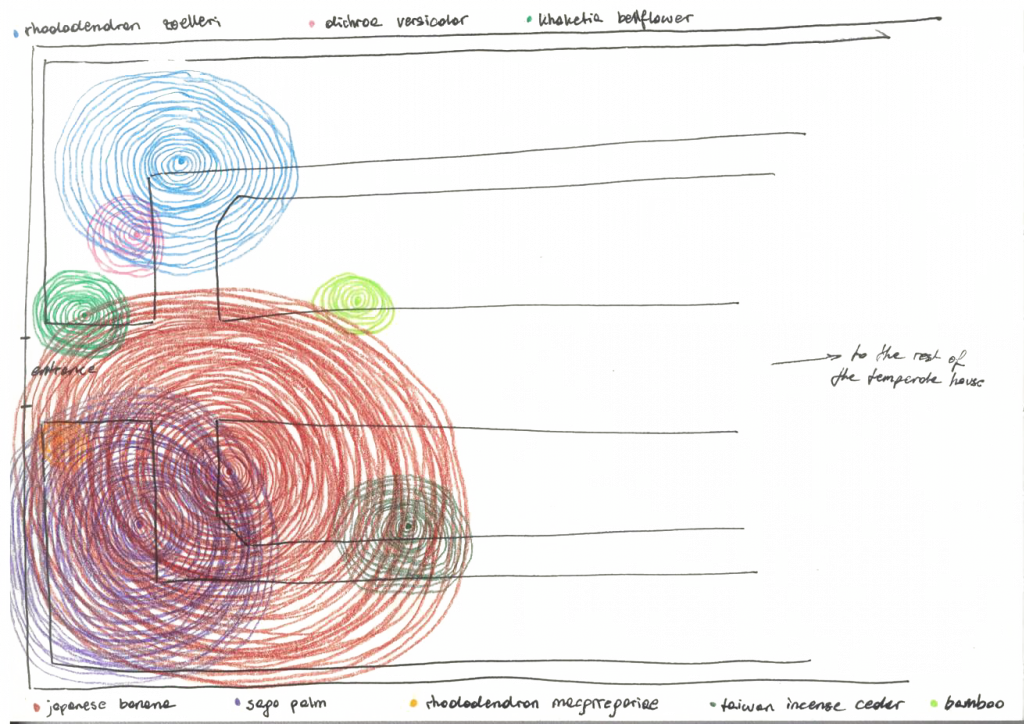
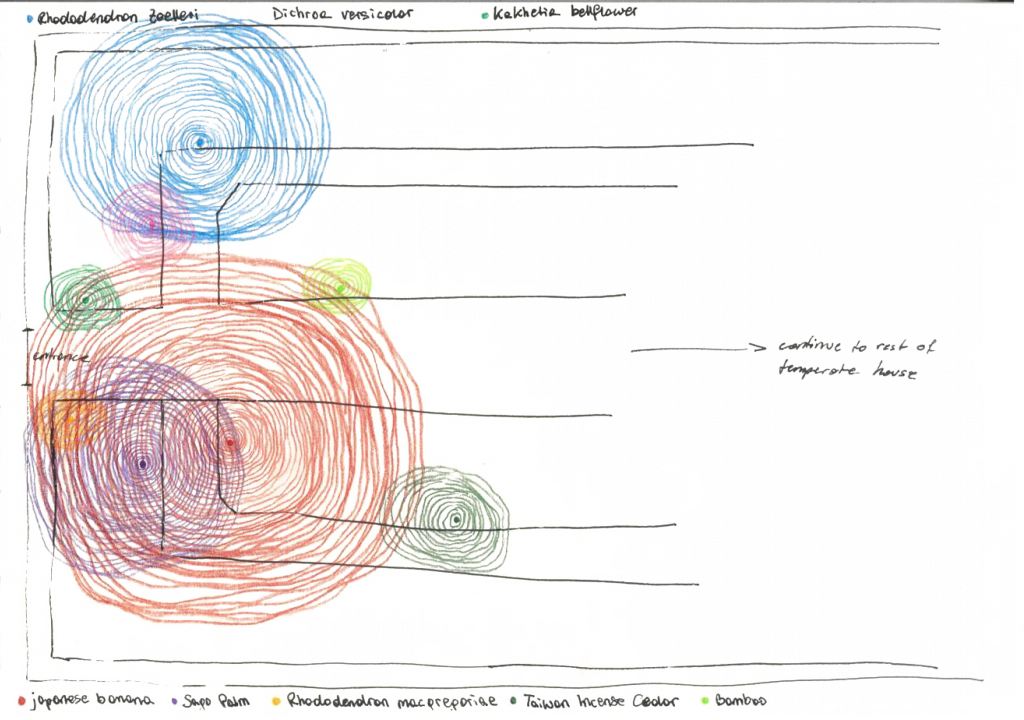
Absence vs. Presence
The emerging pattern of people’s perceptions provided an interesting contradiction to me: the plants and the architecture were physically present, but partially or fully absent through people’s perception. Besides the eight favourite plants, nothing was truly looked at or stopped for.
How does one investigate absence vs. presence through sketching? This became my refined focus.
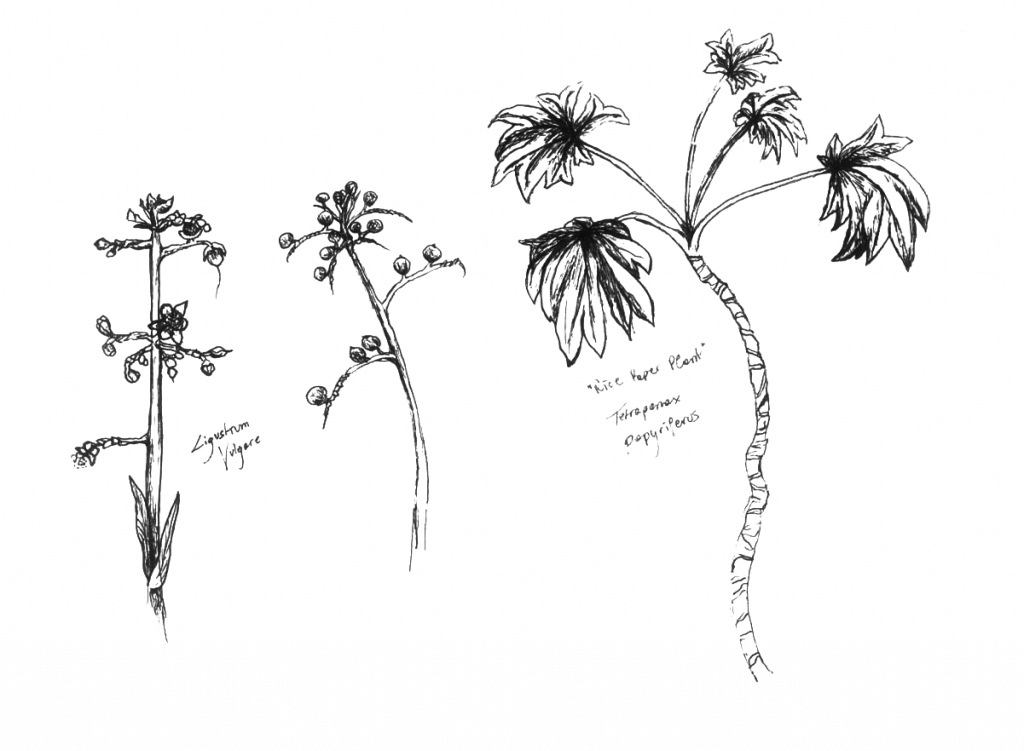
Making absence present
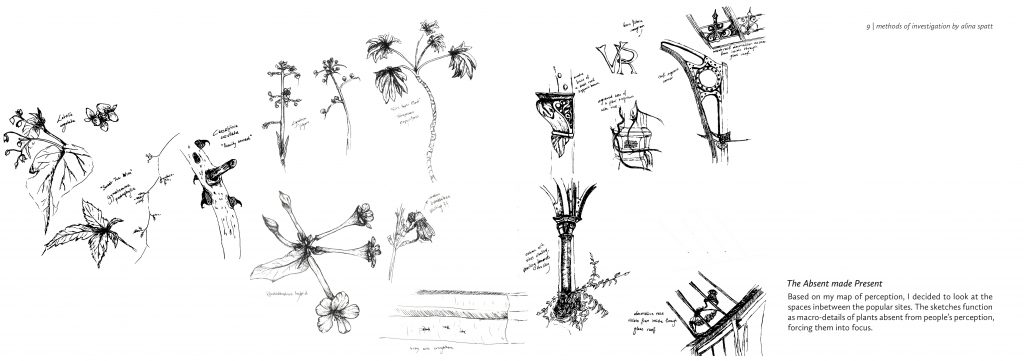
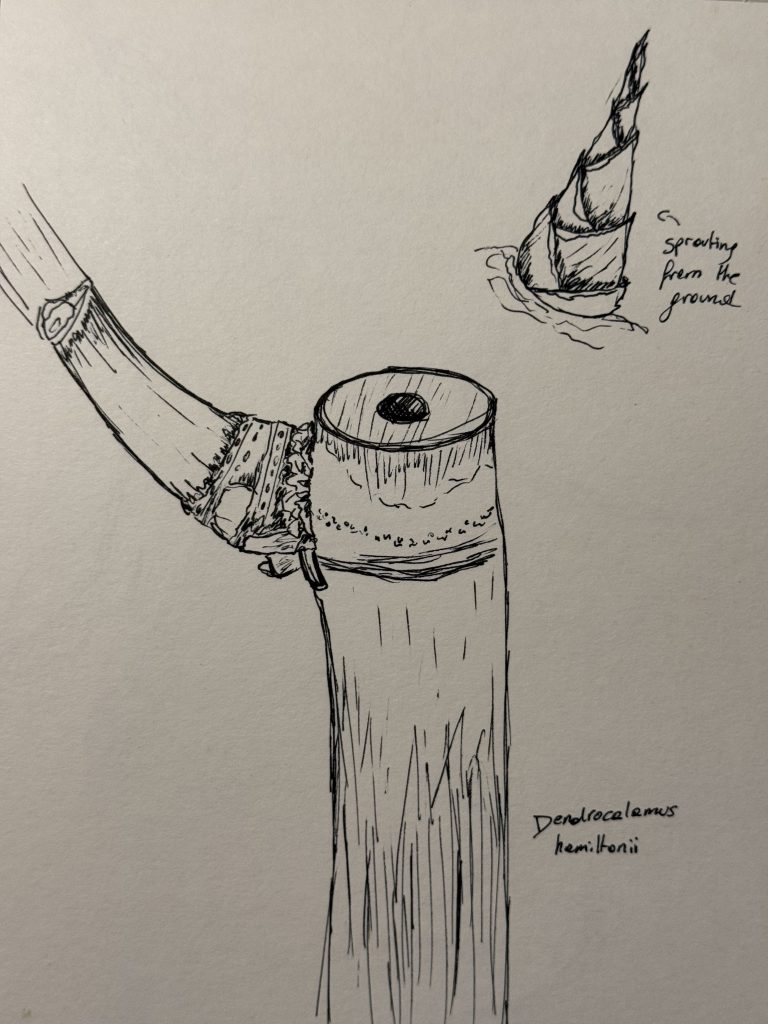
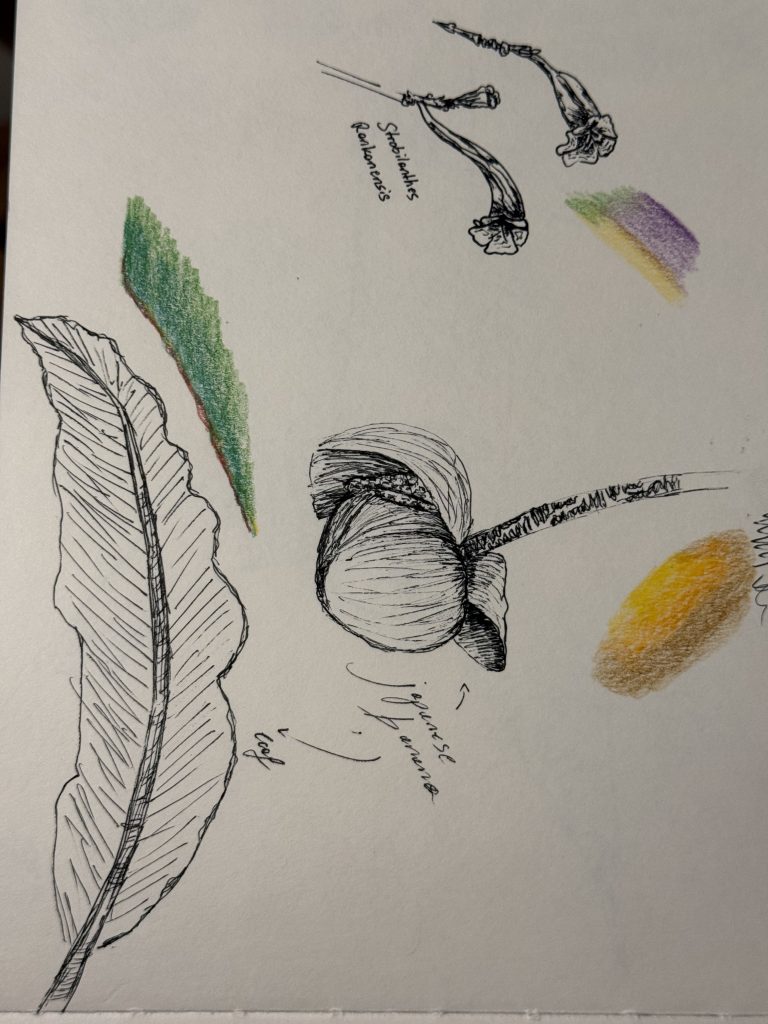
I had identified the eight most present plants and decided to look at everything else. The plants inbetween that no one stopped for, the architecture up above that no one looked up to. I sketched detail shots of them, forcing them from absence to presence.

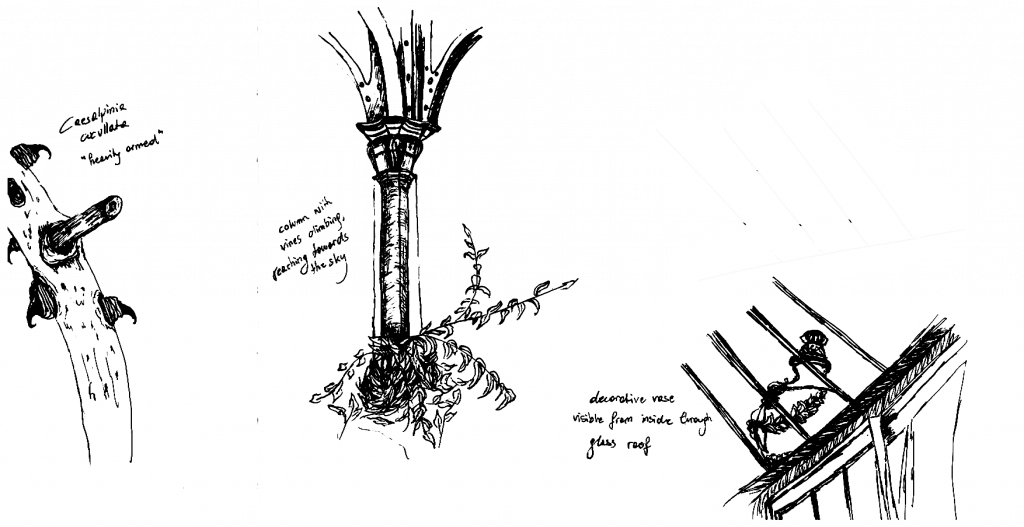
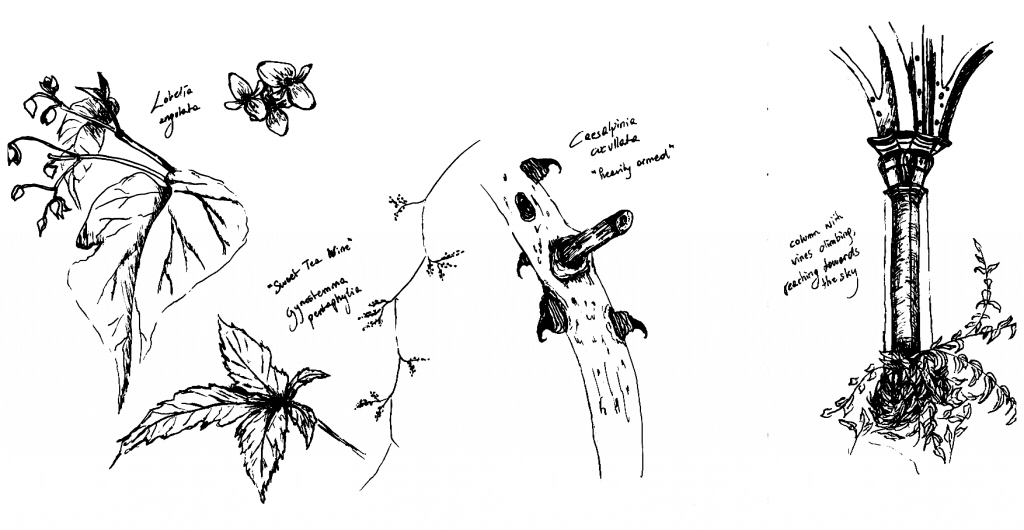
-
week 1
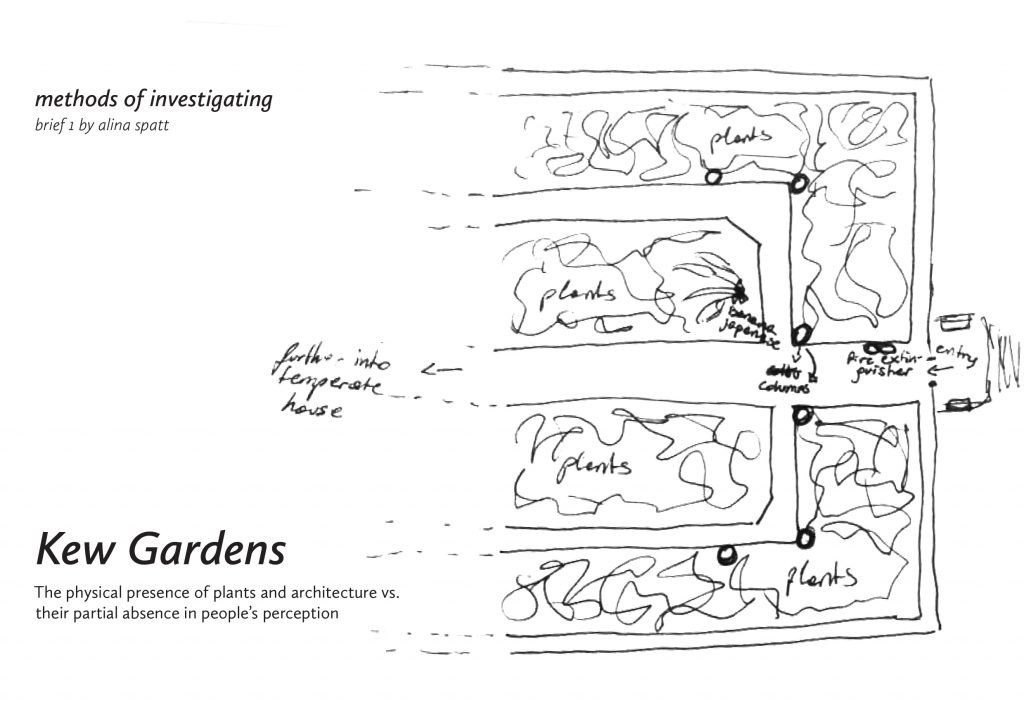
choosing a place to investigate: Kew Gardens, a corner in the northern wing of the Temperate House.

photography as research
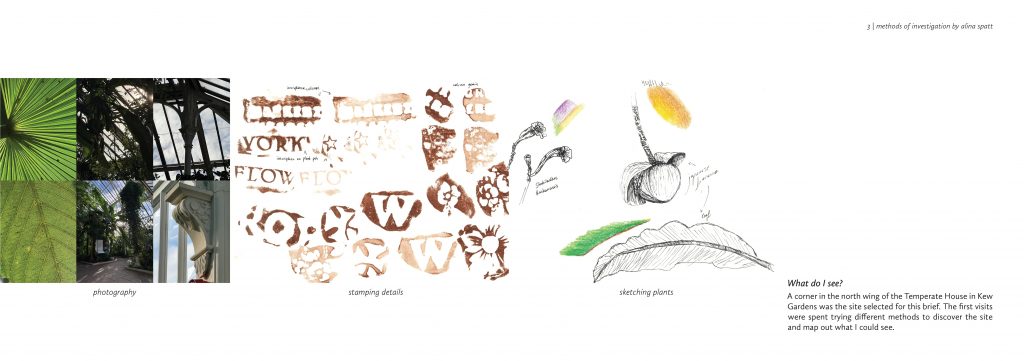
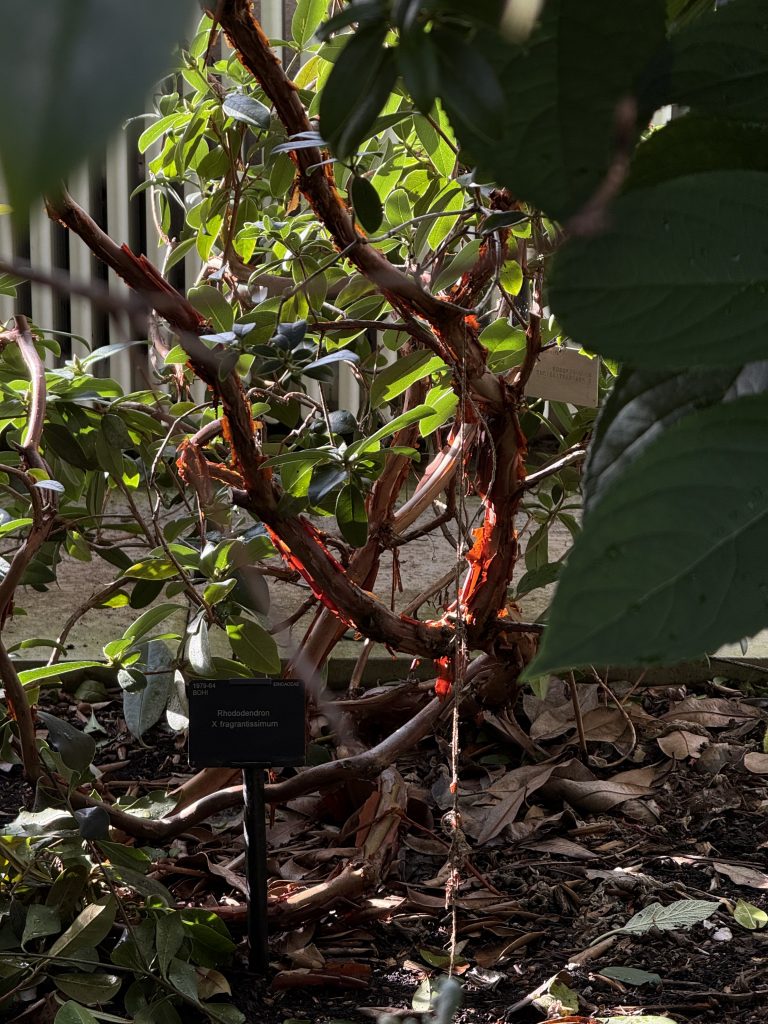
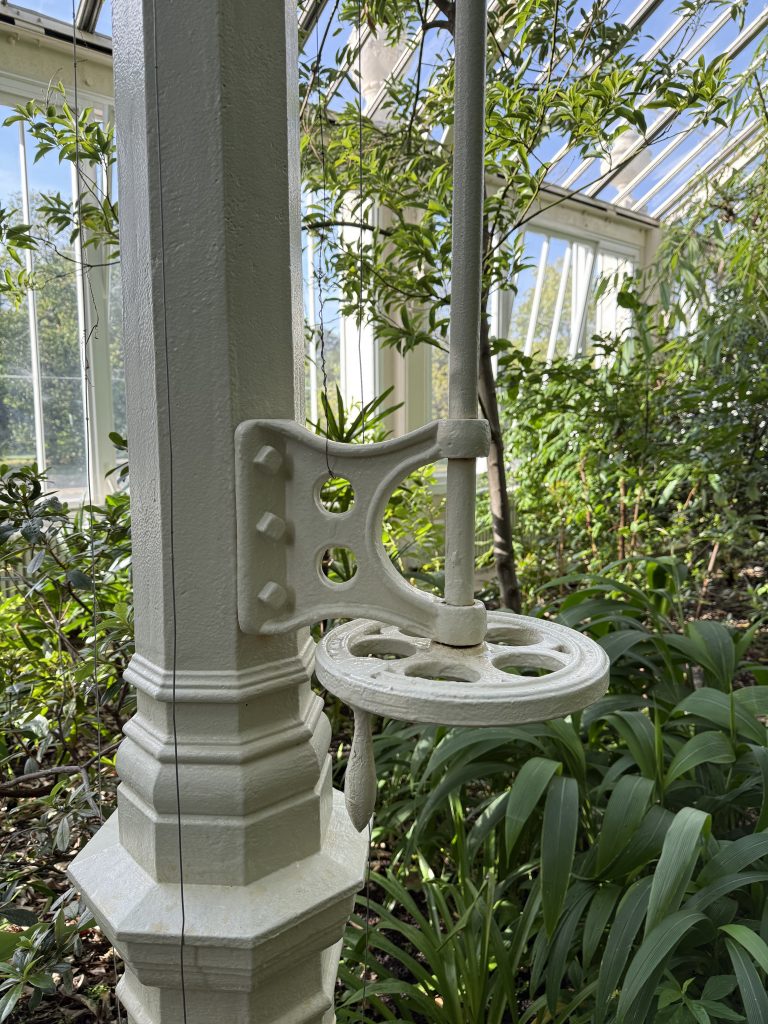
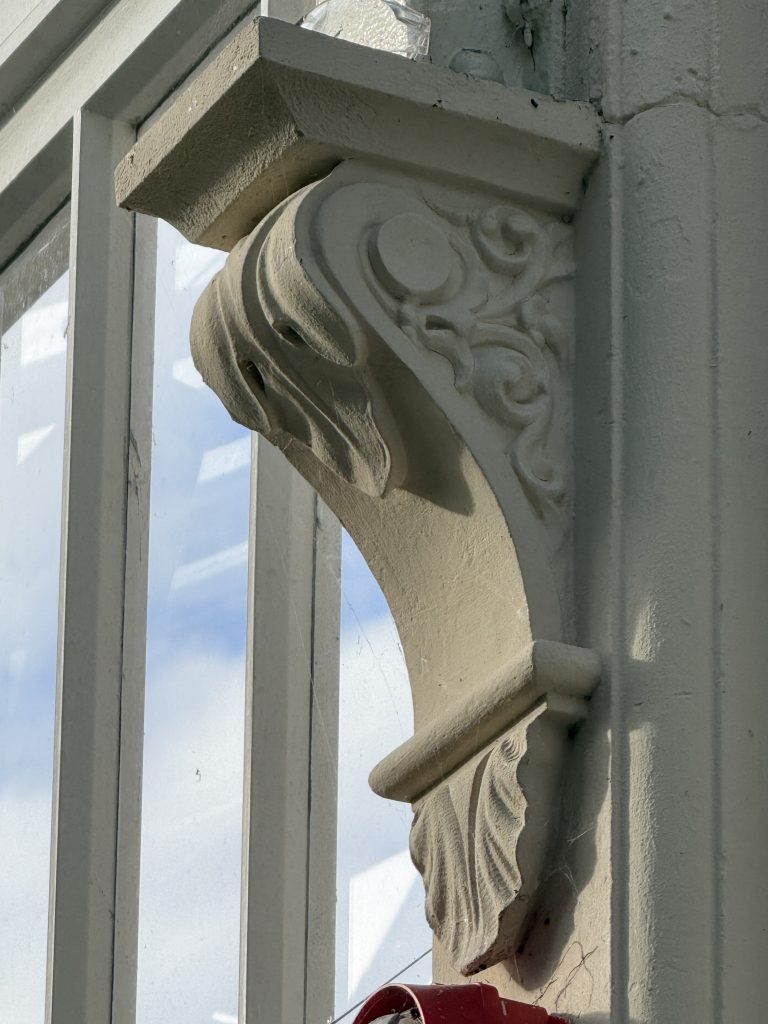
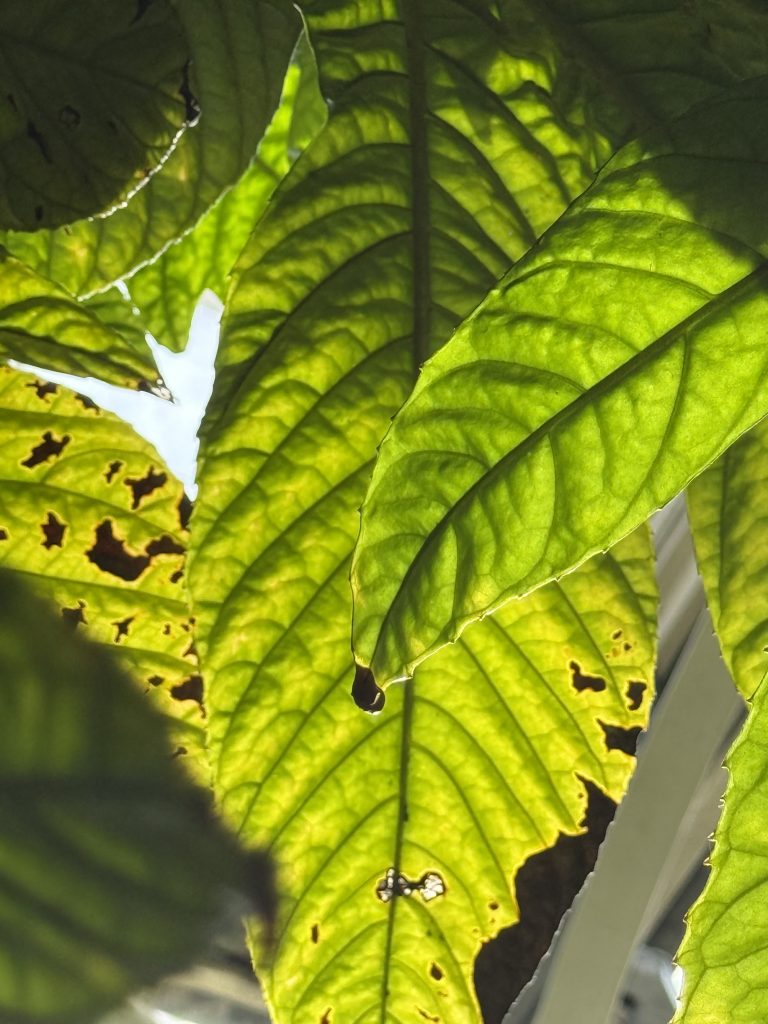
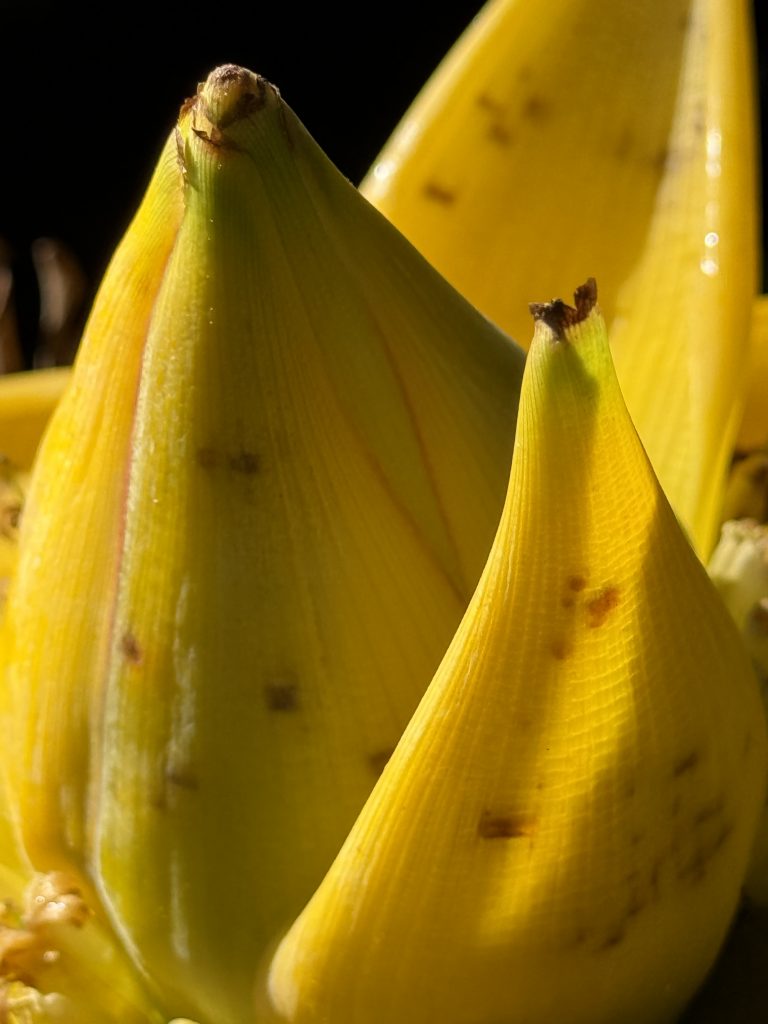
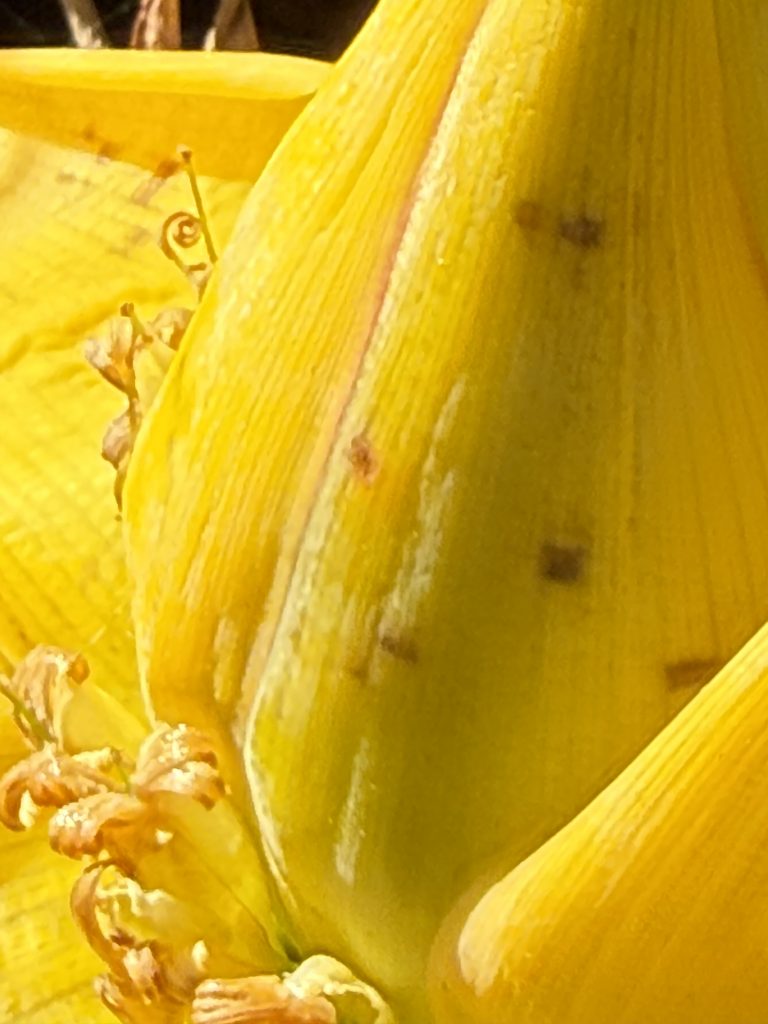
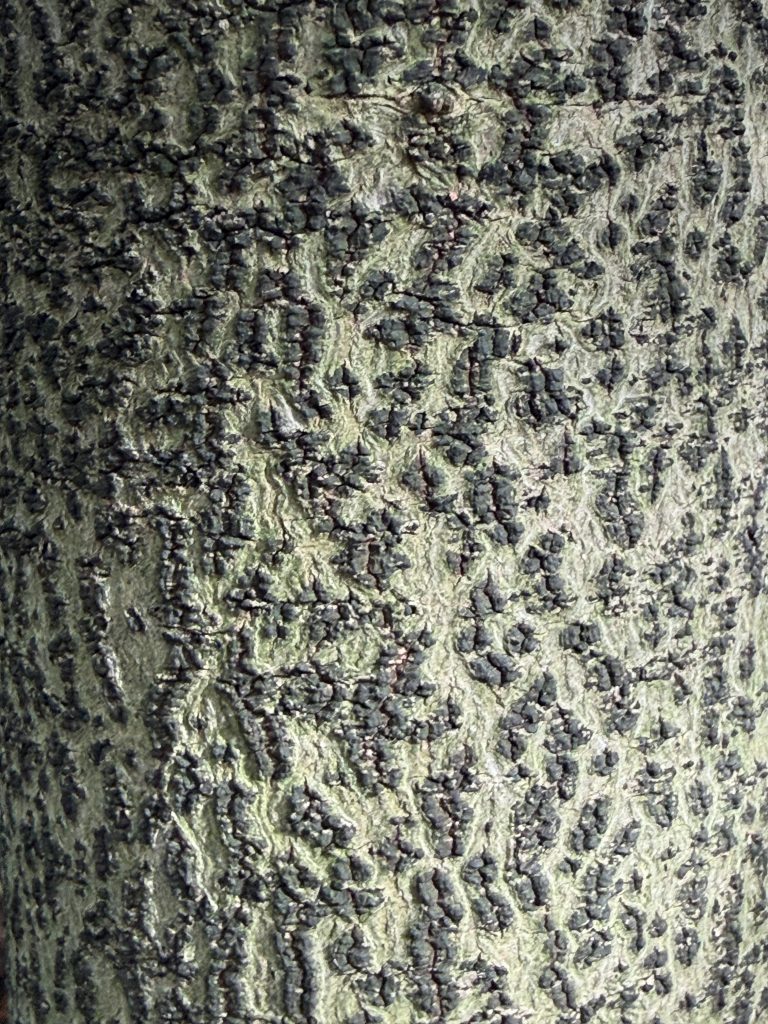
As my first method of investigation I explored photography. I naturally gravitate towards documenting a place I’m visiting through my camera lense, so this felt like an obvious choice to start my investigation with.

discovering patterns
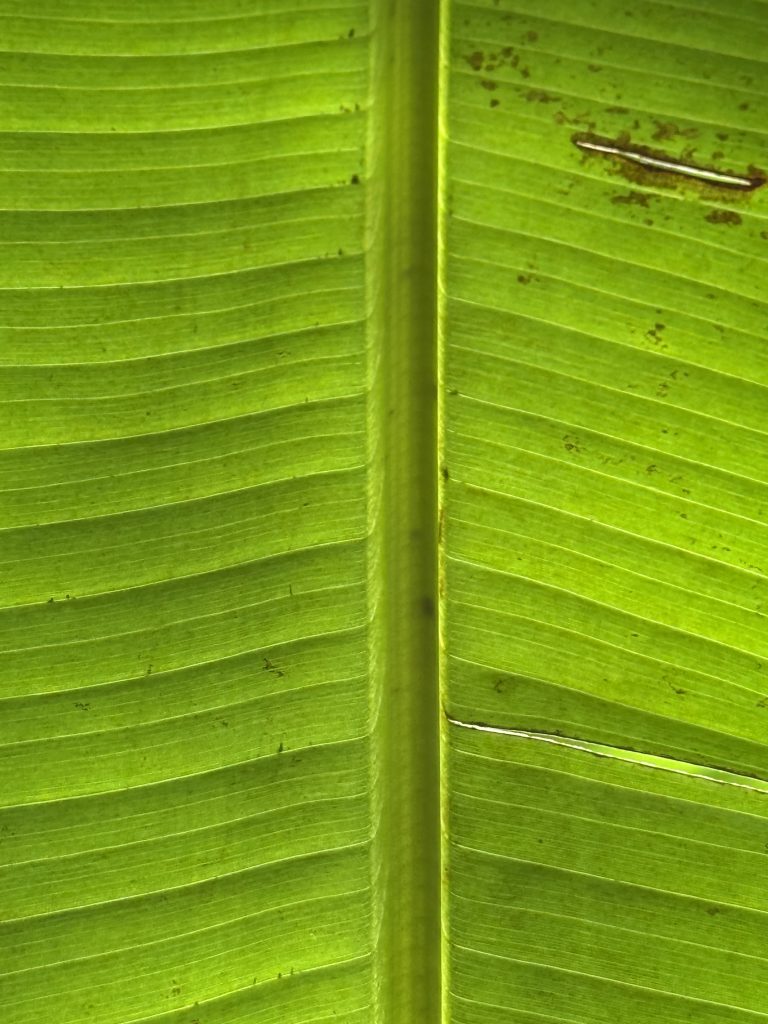
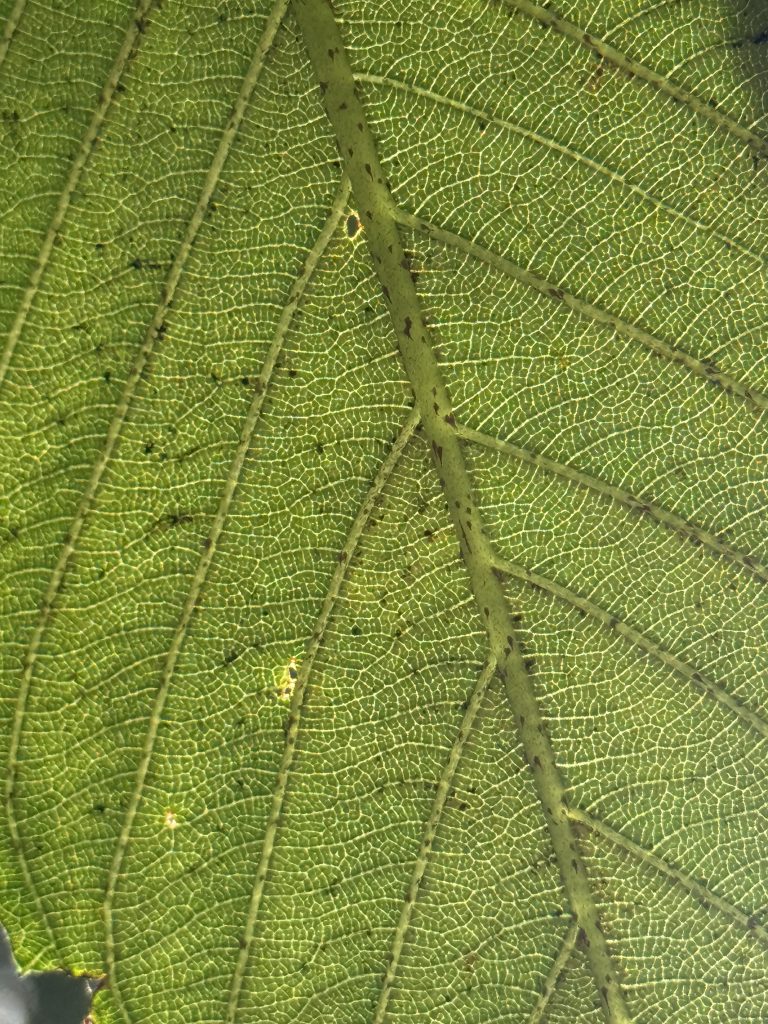
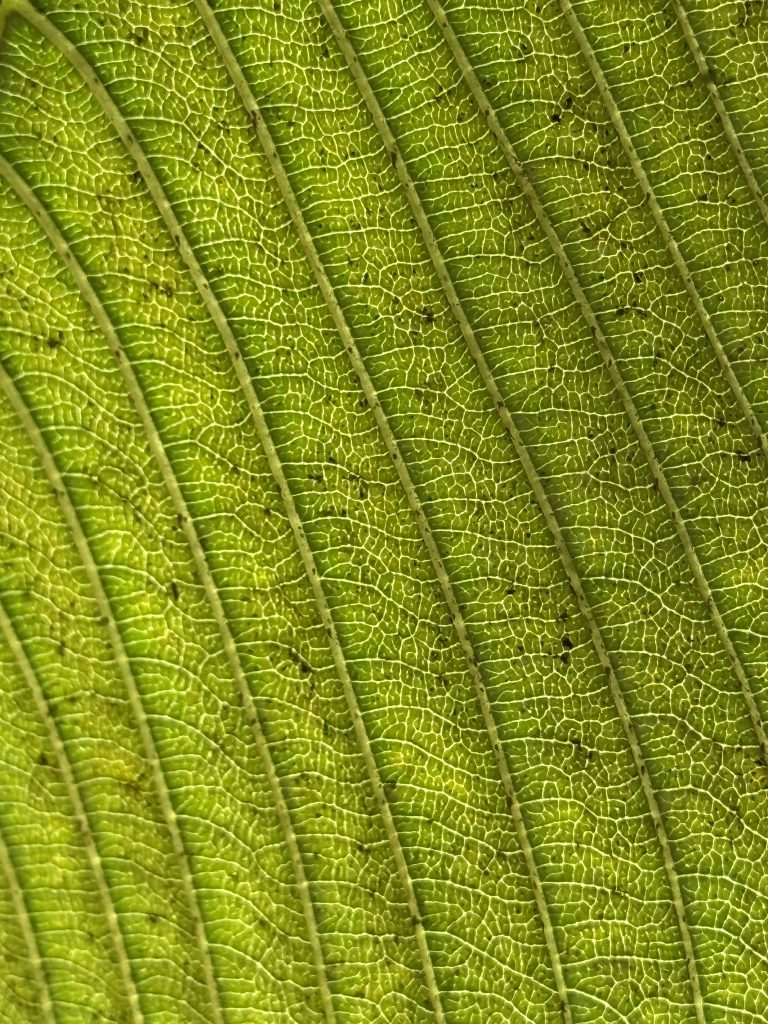
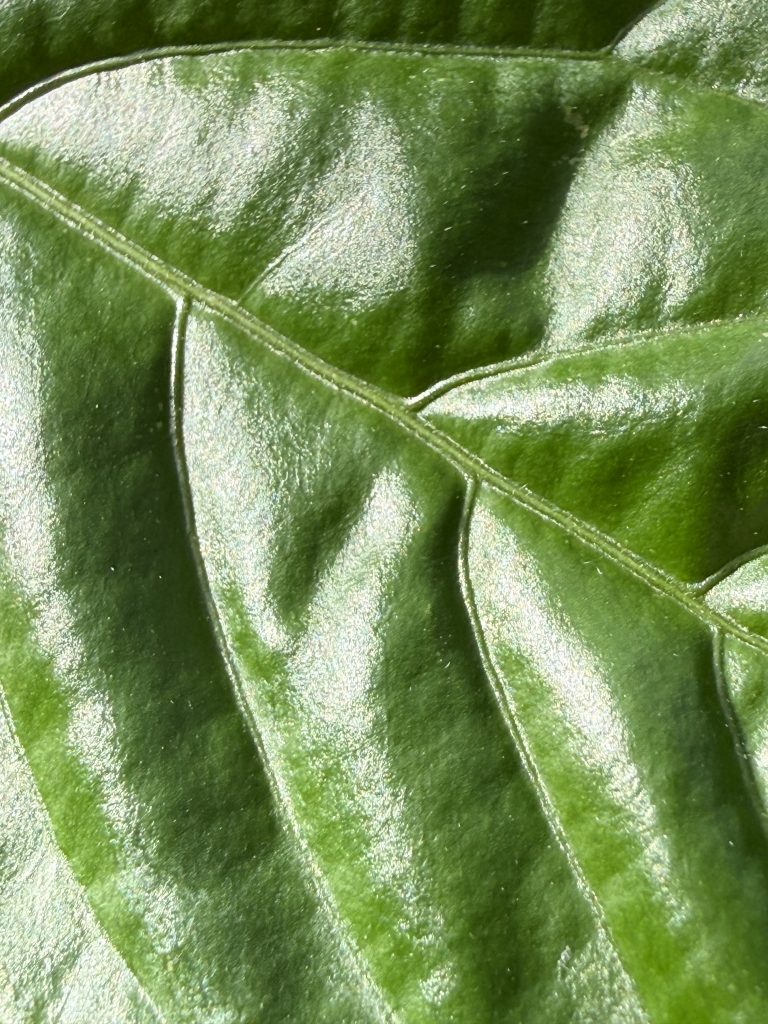
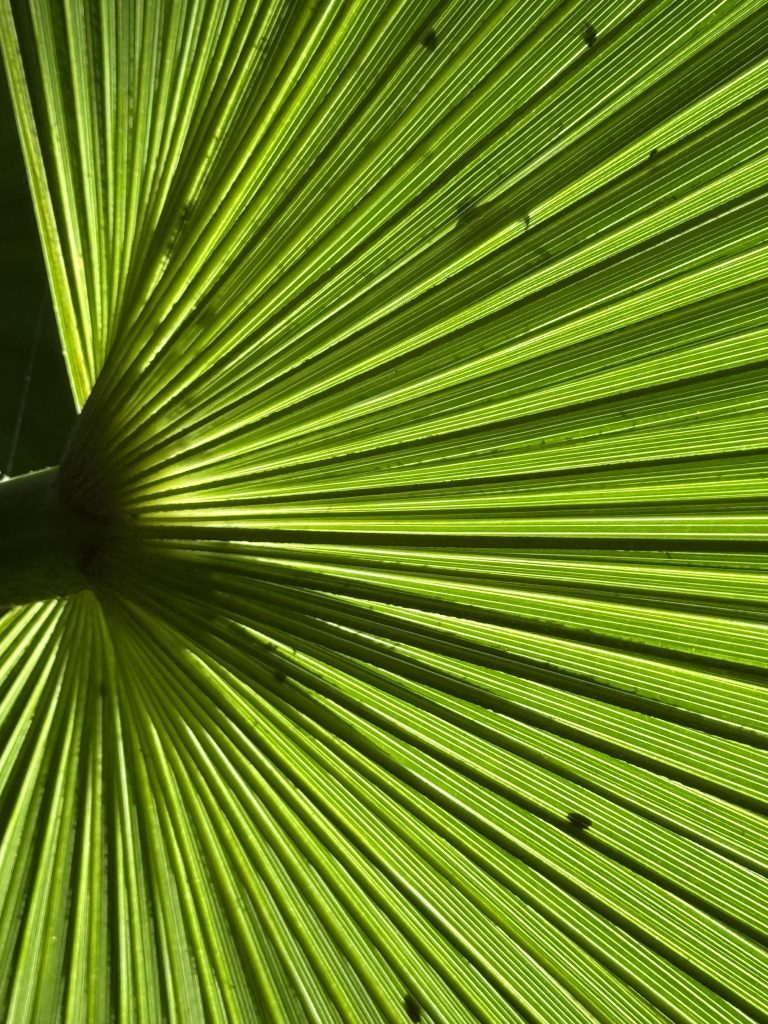
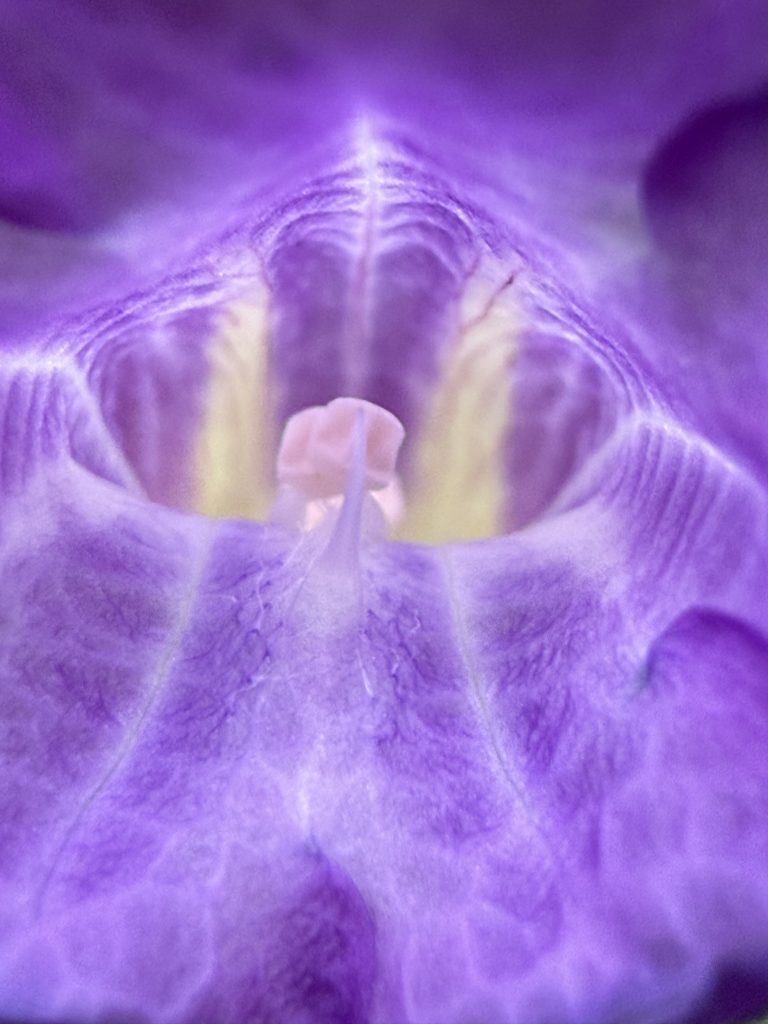
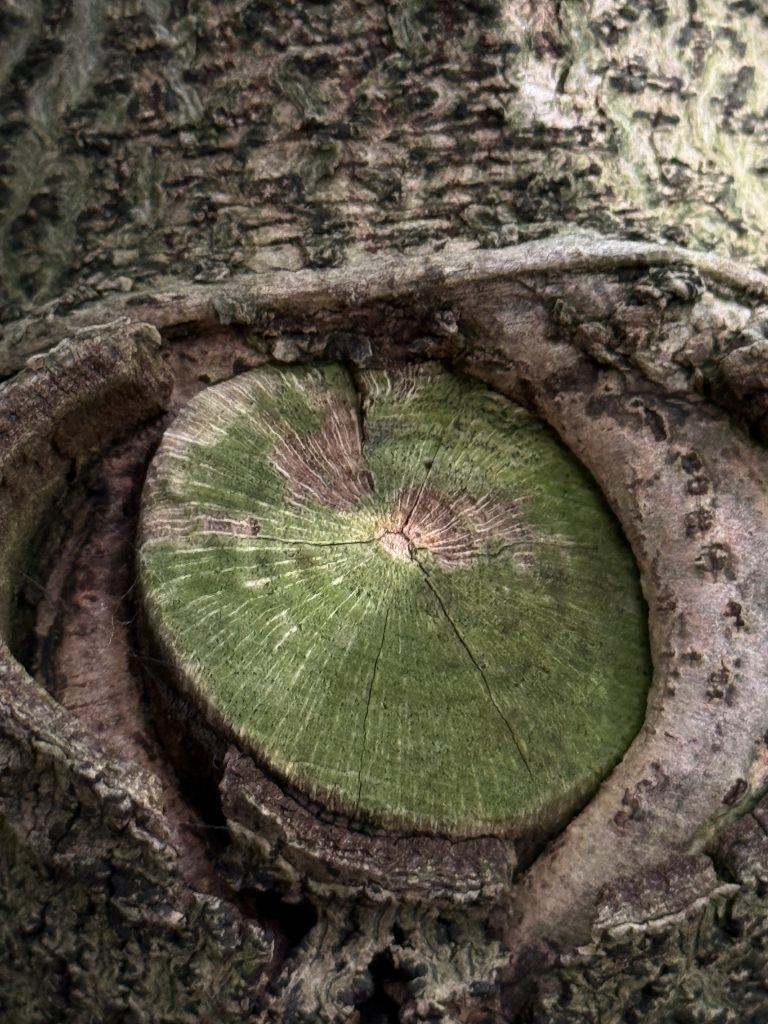
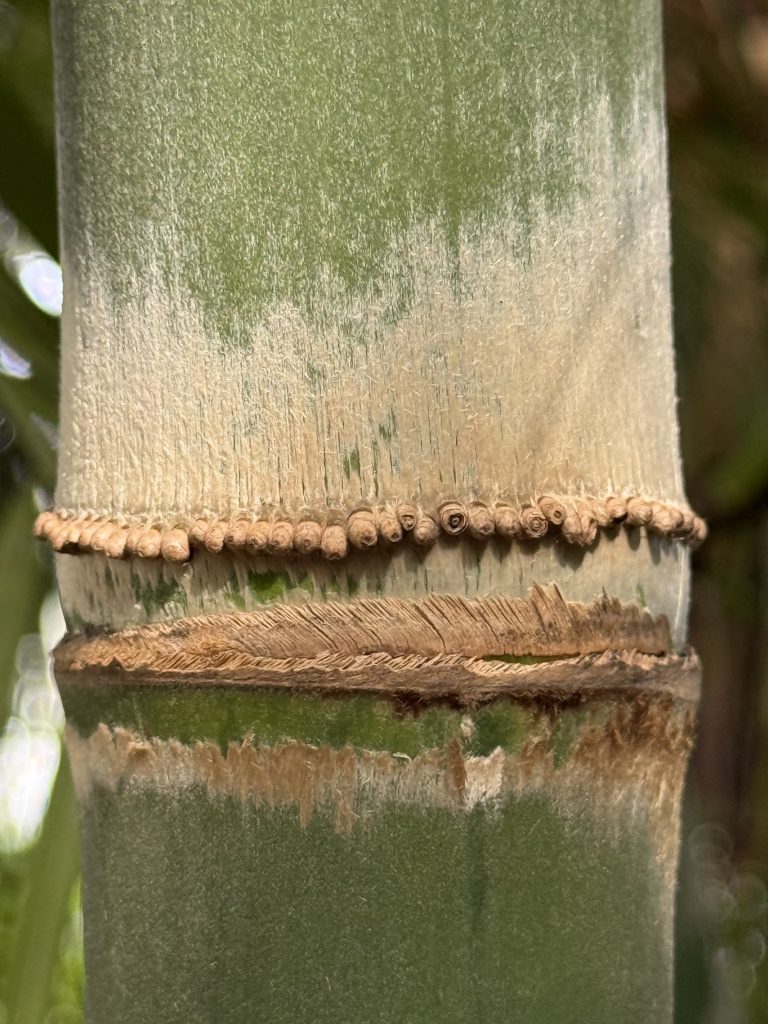
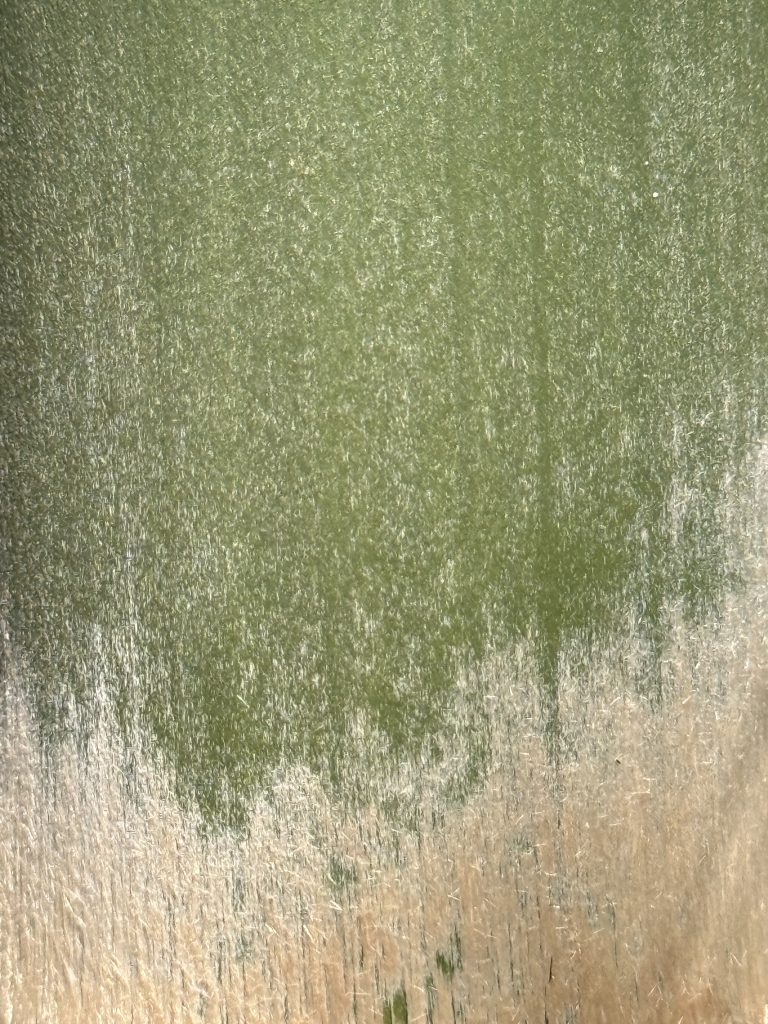
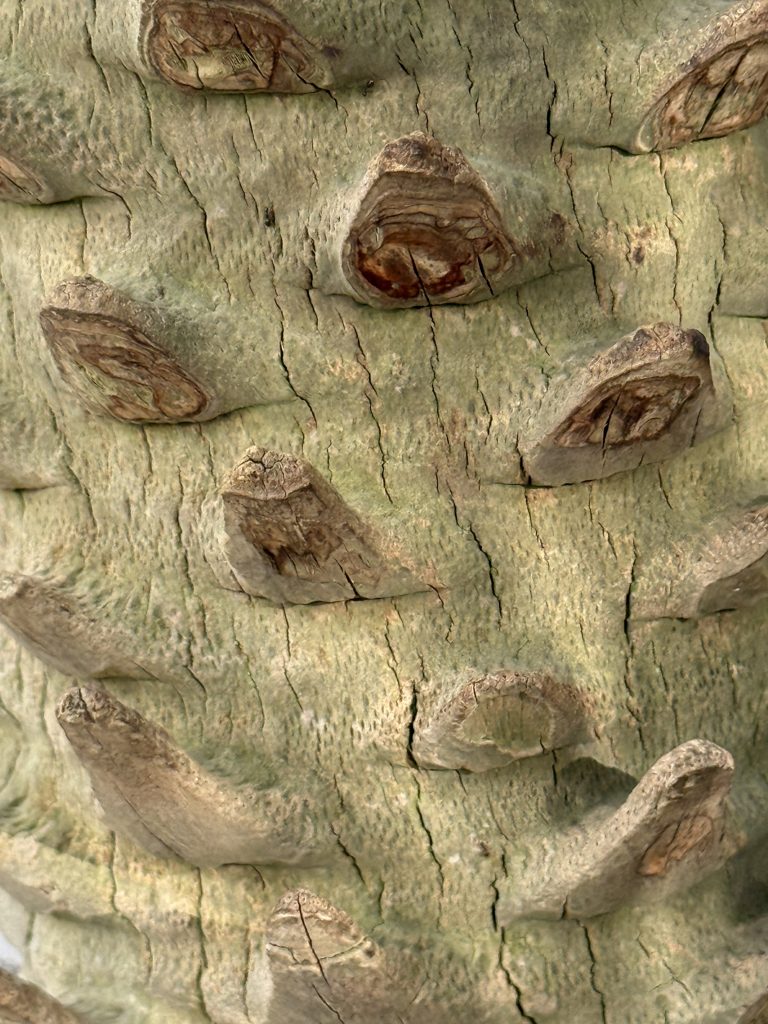
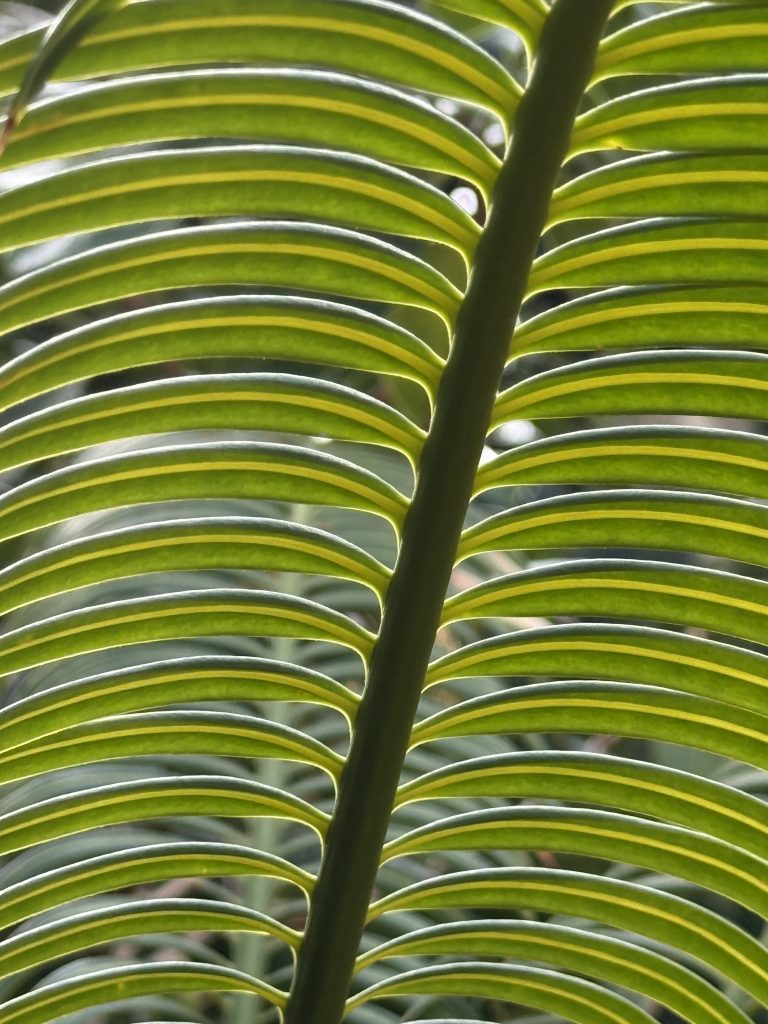
It quickly became evident, that I was particularly interested in detail shots, mainly those, that focused on the patterns of plants. The plant itself is not recognizeable, instead, the focus is the pattern of veins and folds and textures. I was particularly intrigued by the aspect of looking closely at something that people usually only quickly glance at.
exploring through sketching
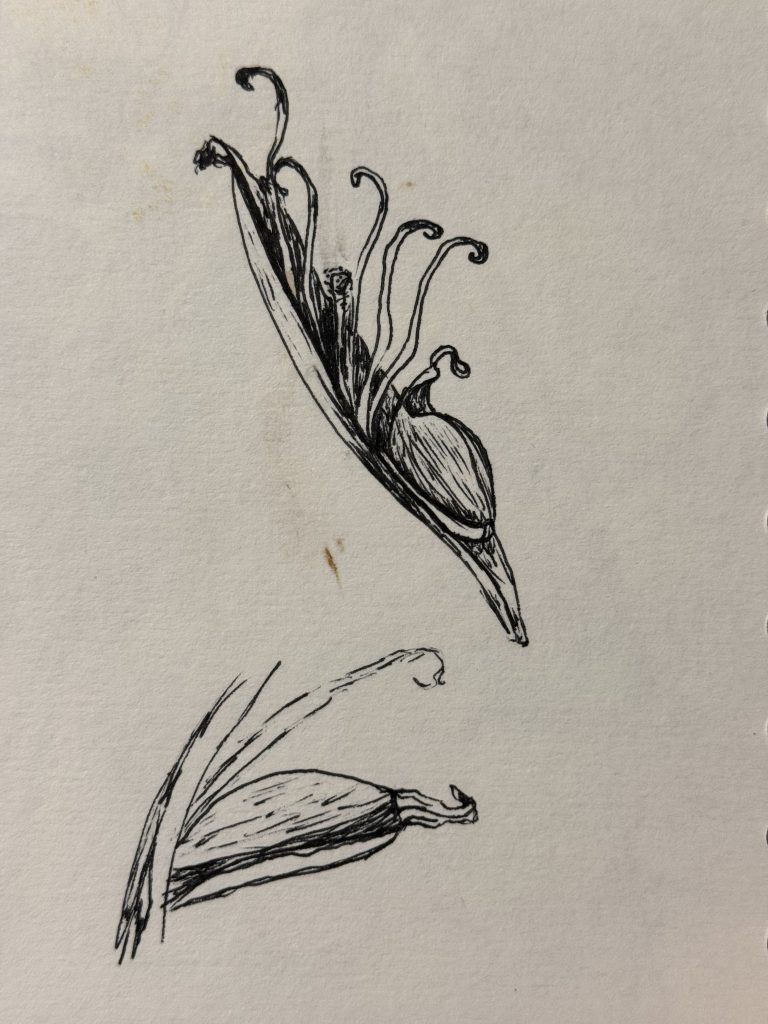
I wanted to continue my investigation into hidden details of the plants and selected sketching as my new method of investigating. It allowed me to look at one particular plant/object for an unusually long amount of time and discover them through making and motion. I particularly liked the aspect of concious making.
research through pattern printing
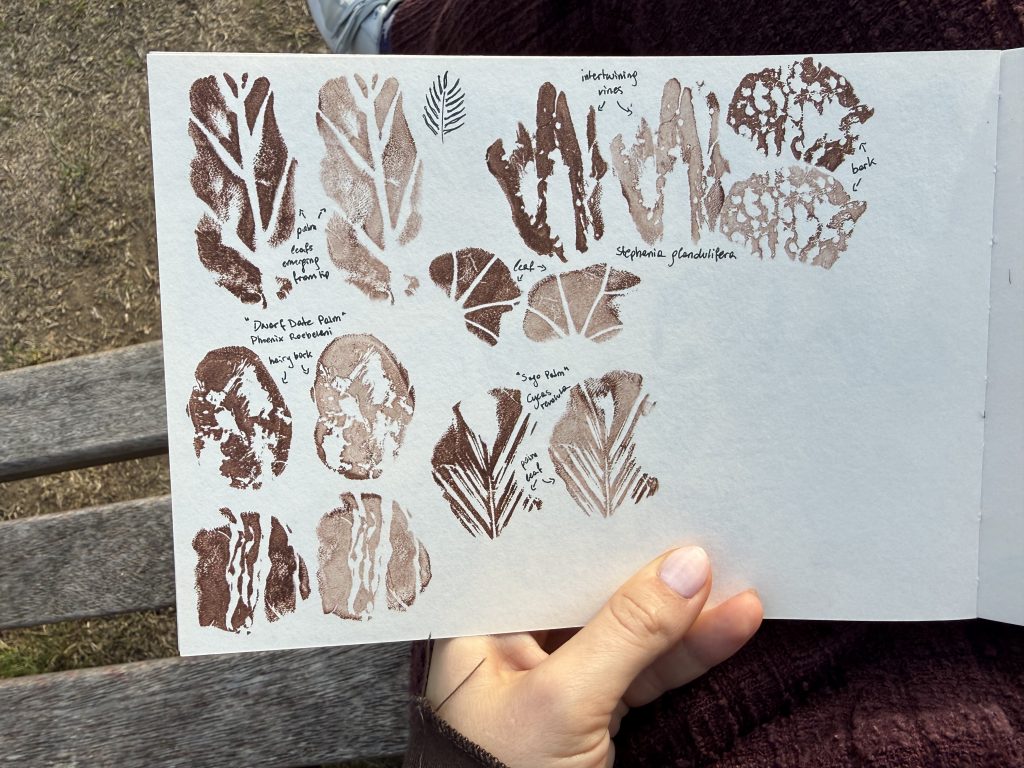
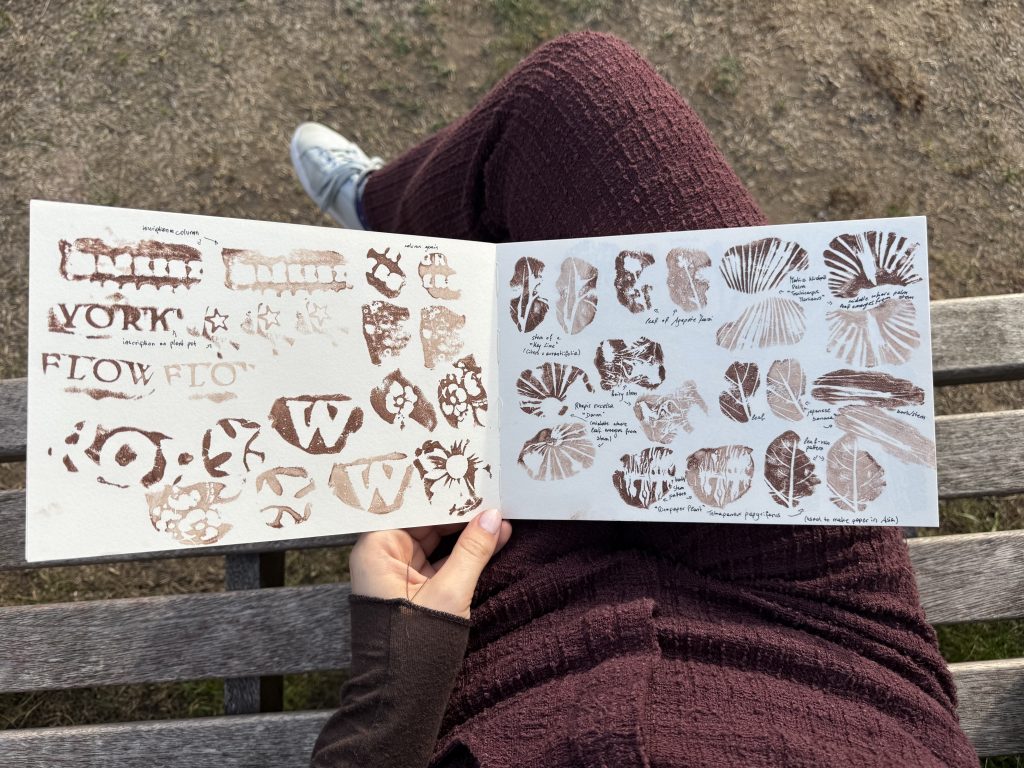
As a last method I chose to print some of the patterns I had discovered. I used a kneadable eraser and an inkpad and printed patterns of barks, fallen leaves or pots and architecture.